You face more choices than ever when searching for the ultimate checklist for buying a motion platform. The market is booming, with projections showing growth from $1.2 billion in 2024 to $3.5 billion by 2033 at a 15.5% CAGR.
Year | Market Size (USD) | CAGR (%) |
2024 | 1.2 Billion | N/A |
2033 | 3.5 Billion | 15.5 |
You want the ultimate checklist for buying a motion platform that delivers true value. Many buyers fall into common traps like neglecting maintenance, skipping technology tests, or overlooking safety. The ultimate checklist for buying a motion platform helps you sidestep these mistakes and unlock the full value of your investment. Use this checklist to make your buying decision with confidence.
Key Takeaways
Define your needs before buying. Identify your use case, whether it's for gaming, training, or research.
Set a clear budget and measure your available space. This helps narrow down your options effectively.
Understand the types of motion platforms. Choose between 2DOF, 3DOF, or 6DOF based on your application requirements.
Focus on key features like load capacity, speed, and accuracy. These directly impact your simulation experience.
Check the build quality and materials. High-strength materials ensure durability and reliable performance.
Prioritize safety features. Look for emergency stops and overload protection to keep users safe.
Ensure software compatibility. Verify that the motion platform integrates well with your existing systems.
Research the manufacturer's reputation. A trusted brand offers better support and reliability for your investment.
The Ultimate Checklist for Buying a Motion Platform
Define Your Needs
Use Case (Simulation, Training, R&D)
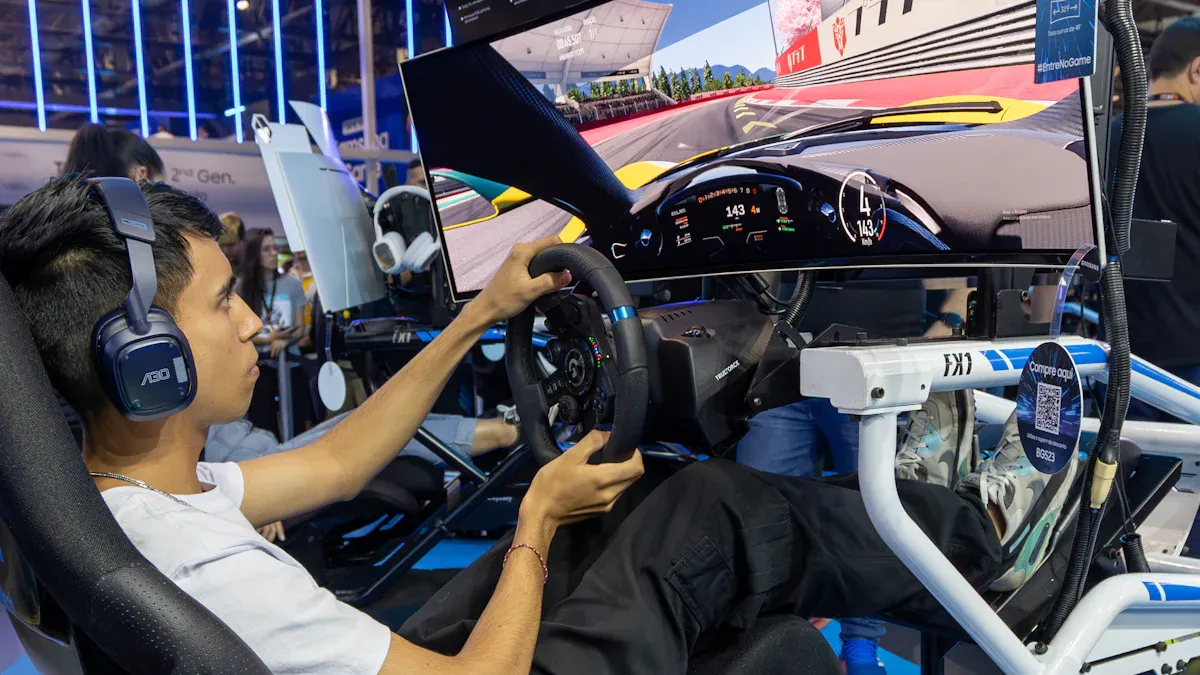
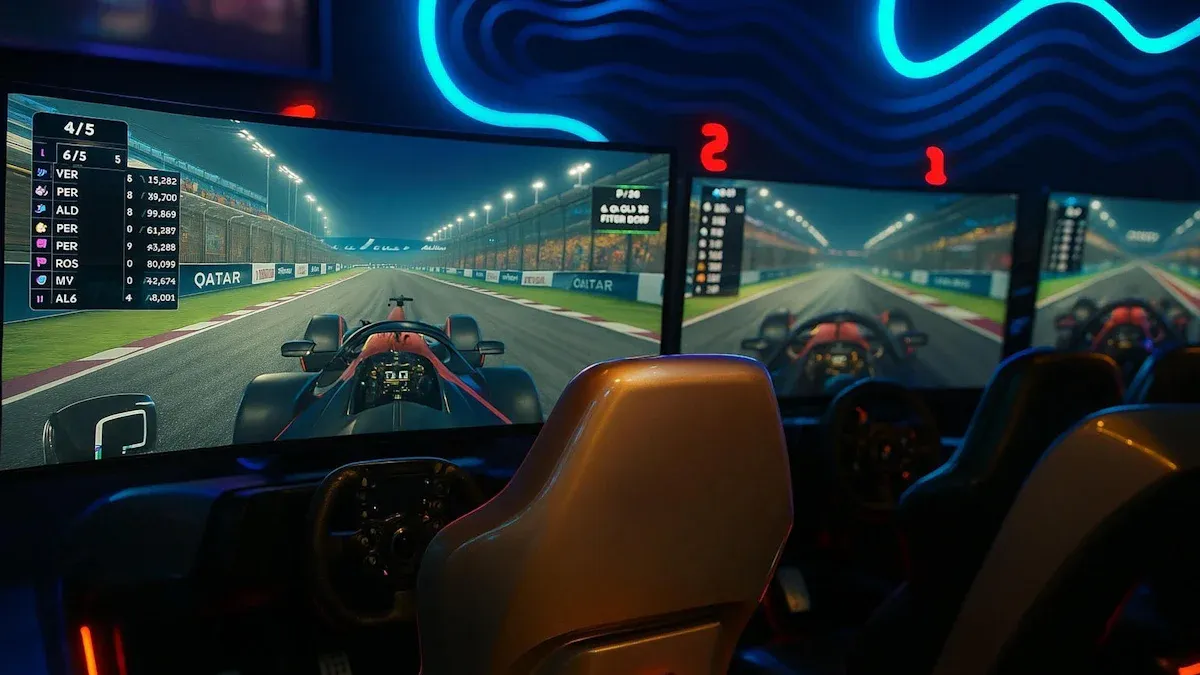
You must start your journey by defining your use case. Are you building a simracing setup for gaming, designing a motion simulation lab for research, or creating an immersive training environment? Each application demands a unique approach. For simracing, you want a platform that delivers fast, precise motion cues to maximize immersion and realism. In training, you need a motion platform that can replicate real-world dynamics, ensuring your team gains valuable hands-on experience. R&D setups require flexibility, allowing you to test prototypes and capture data with a motion capture system.
A motion platform enhances realism in every scenario. For example, in vehicle prototyping, high-fidelity motion sim systems let you test designs safely and efficiently. In pilot training, platforms improve safety and reduce costs compared to real-world exercises. You gain more than just a gaming thrill—you unlock true immersion and measurable results.
Tip: List your top priorities. Do you need maximum immersion, advanced motion capture system integration, or a balance of cost and performance?
Budget & Space
You must set a clear budget before you choose a motion platform. Entry-level simracing setups start around $1,500, while premium motion sim systems can exceed $6,000. Arcade motion platforms range from $10,000 to $99,000. Your budget will guide your options, but remember to factor in the cost of a motion capture system, software, and ongoing maintenance.
Space matters as much as price. A compact simracing platform fits in a home gaming room, while a high-load motion simulation platform for R&D or immersive training may require a dedicated lab. Measure your available area and plan your setup to ensure seamless integration.
Platform Types & DOF
2DOF, 3DOF, 6DOF Overview
You must understand the differences between platform types. The number of degrees of freedom (DOF) determines the range of motion your setup can deliver. Here’s a quick comparison:
Degrees of Freedom | Movements Description |
2 DOF | Pitch (tilting forward/backward), Roll (side to side) |
3 DOF | Pitch, Roll, Yaw (rotation left/right) |
6 DOF | Pitch, Roll, Yaw, Heave (vertical), Surge (forward/back), Sway (side-to-side) |
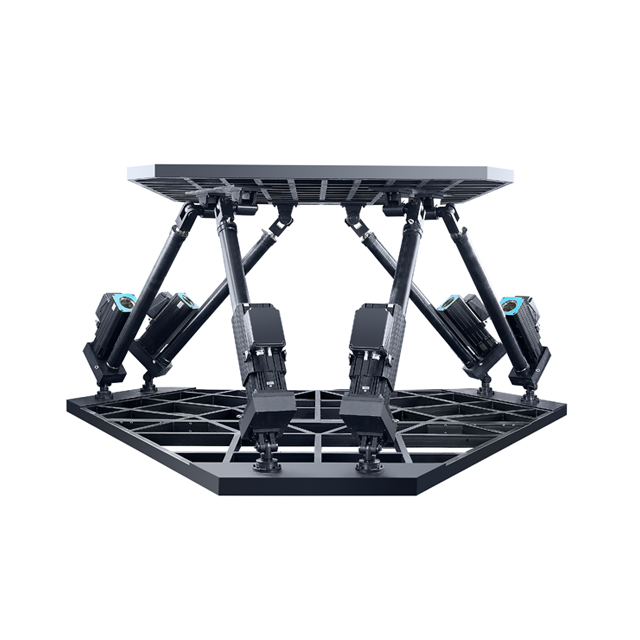
A 2DOF platform suits basic simracing and gaming. A 3DOF platform adds yaw, enhancing immersion for flight and driving simulations. A 6DOF platform, like the FDR Auto Industry 6DOF Motion Platform, delivers full motion simulation for the most demanding immersive experiences.
Application Matching
You must match your platform to your application. Use this table to guide your decision:
Application | Description |
Simracing | Entry-level or mid-tier platforms deliver responsive motion for gaming. |
Training | 3DOF or 6DOF platforms enhance realism and safety for pilots and drivers. |
R&D | 6DOF platforms with motion capture system support enable advanced testing. |
Prototyping | High-fidelity motion sim systems optimize design and reduce risk. |
Choose a platform that aligns with your goals. For immersive simracing, prioritize speed and accuracy. For training, focus on realism and safety. For R&D, demand flexibility and integration with your motion capture system.
Action Step: Write down your must-have features and compare them to the platform types above. This ensures your setup delivers the immersive experience you expect.
Key Features & Specs
When you compare motion platforms, you must focus on key features that directly impact your experience and investment. The right motion platform delivers the performance, safety, and reliability you need for your application. Let’s break down the most important features you should evaluate.
Load Capacity & Motion Range
A top-performing motion platform must handle your required load and deliver the full range of motion. Load capacity varies widely across platforms. Here’s a quick comparison:
Load Capacity Range | Application Type |
100 kg to 5000 kg | Standard motion platforms |
Up to 50 tons | Heavy-duty applications |
More than 10 tons | Aerospace and heavy vehicle testing |
For most simulation, training, and R&D needs, a high-load platform like the FDR Auto Industry 6DOF Motion Platform stands out. It supports up to 5000kg, giving you the flexibility to integrate a motion capture system, heavy cockpits, or advanced VR setups. Precision and stability matter most at these weights. Advanced control systems and high-resolution sensors ensure accurate motion across all six degrees of freedom.
Tip: Always match your platform’s load capacity to your heaviest planned setup. This protects your investment and guarantees smooth performance.
Speed, Accuracy & Refresh Rate
Speed and accuracy define how real your simulation feels. The best motion base features a refresh rate above 200Hz, which means the platform responds instantly to every input. Low latency is critical for immersive experiences, especially when you use a motion capture system or train with high-speed scenarios. The FDR Auto Industry 6DOF Motion Platform uses precision servo control to deliver fast, accurate motion cues. You get smooth, lifelike movement that enhances every session.
Aspect | Explanation |
Fitts's Law | Faster, more accurate motion improves usability and realism. |
Error Rate | High refresh rates and accuracy reduce errors and boost user confidence. |
Aim for the shortest animation duration that does not disrupt your experience. Too fast can feel jarring, while too slow breaks immersion.
Noise, Vibration & Complexity
You want a motion platform that runs quietly and minimizes vibration. High-quality materials like steel and ETD150 reduce unwanted noise and extend the life of your motion base. The FDR Auto Industry 6DOF Motion Platform uses robust construction to keep vibrations low, even under heavy loads.
Complexity affects maintenance and reliability. A well-designed motion base makes routine checks easy and keeps your system running longer. Look for platforms with clear operational procedures and a low mean time to repair (MTTR). This ensures your investment stays productive and reduces downtime.
Note: Choose a platform with proven durability and easy maintenance. This saves you time and money over the long term.
When you focus on these key features—load capacity, speed, accuracy, refresh rate, noise, and complexity—you set yourself up for success. The right motion platform, paired with a reliable motion capture system, transforms your training, simulation, or R&D environment.
Build Quality & Materials
When you invest in a motion platform, you want assurance that it will deliver consistent performance and stand the test of time. Build quality is not just about looks—it determines how well your platform handles stress, heavy loads, and daily use. Let’s break down what you should look for in the best platforms.
Frame & Actuators
You should always check the materials used in the frame and actuators. High-strength materials like stressproof steel and ETD150 make a huge difference in durability and reliability. These materials support both the motion platform and its payload, ensuring structural integrity and long-term strength. FDR Auto Industry uses these advanced materials in their platforms, giving you confidence in every session.
Stressproof steel and ETD150 are essential for critical components.
Proper engineering of the framework supports both the platform and its payload.
The strength and integrity of these materials are vital for performance and longevity.
A well-built frame resists bending and fatigue, even under maximum load. Precision actuators deliver smooth, accurate motion, which is crucial for realistic simulation and training.
Safety Features
Safety should never be an afterthought. Modern motion platforms come equipped with advanced safety features that protect both users and equipment. FDR Auto Industry integrates essential safety systems into every platform, so you can focus on your experience without worry.
Emergency Stop, Overload Protection
You need reliable emergency stop and overload protection systems. These features prevent accidents and keep your investment safe.
Overload protection systems monitor weight and stop operation if limits are exceeded.
Emergency lowering valves allow for controlled descent during power failures.
Velocity fuses lock hydraulic cylinders to prevent sudden drops.
Pressure relief valves protect against overpressurization.
Perimeter safety sensors detect obstacles and halt operation instantly.
These systems work together to ensure your motion platform operates safely in every scenario.
Durability & Maintenance
Long-term durability depends on both quality materials and smart maintenance. You want a platform that stays reliable year after year. FDR Auto Industry designs platforms for easy upkeep, so you spend less time on repairs and more time on training or simulation.
Best Practice | Description |
Choosing SERCOS motion | Minimizes unnecessary scope and keeps a clear path for upgrades. |
Integrated safety functionality | Aligns with risk assessments to enhance safety. |
Validating regeneration and power | Avoids reliability issues. |
Documenting feedback devices | Prevents compatibility delays. |
Creating parameter maps | Ensures accurate software migration. |
Embedding validation planning | Integrates directly into technical design for better outcomes. |
By following these best practices, you extend the life of your motion platform and maintain top performance. Choose a platform built with quality in mind, and you will see the benefits in every session.
Software Integration & Compatibility
Supported Software & APIs
You want a motion platform that connects seamlessly with your simulation or training software. Compatibility matters because it determines how easily you can integrate your system and expand its capabilities. Leading manufacturers support a wide range of programming languages and APIs. This flexibility lets you customize your setup and ensures you get the most out of your investment.
C, C++
C# / Microsoft .NET 2.0
Borland Delphi (Pascal)
Any CLI/.NET language (VB.NET, C++/CLI, F#, J#... etc.)
National Instruments' LabVIEW
Microsoft Visual Basic
You can use these languages to build custom controls, automate tasks, or connect your motion platform to other devices. This broad compatibility gives you freedom to innovate and adapt your system as your needs change.
Tip: Always check the software compatibility list before you buy. This step saves you time and prevents integration headaches.
System Integration
Integrating a motion platform into your existing setup can transform your training or simulation environment. You gain advanced features and realism, but you may face challenges. Some teams hesitate to adopt new technology. Higher costs can make decision-makers cautious. You must show the benefits—better training, improved safety, and enhanced performance.
You can overcome these challenges by planning your integration carefully. Start by mapping your current system and identifying where the motion platform fits. Work with your manufacturer to ensure compatibility with your hardware and software. Test the system in stages to catch issues early.
Challenge | Solution |
Reluctance to adopt | Demonstrate clear benefits |
Higher costs | Highlight long-term value |
Convincing clients | Share success stories and data |
You build trust and confidence when you show how the motion platform improves outcomes.
Updates & Customization
You want a motion platform that stays current and adapts to your needs. Regular software updates keep your system secure and compatible with new technologies. Customization options let you tailor the platform to your workflow. You can adjust motion parameters, add new features, or integrate with emerging tools.
Manufacturers like FDR Auto Industry offer platforms with robust compatibility and update support. You get access to new functions and improved performance over time. This flexibility ensures your investment remains valuable and relevant.
Note: Ask about update schedules and customization support before you commit. This step protects your system and maximizes your results.
You secure a future-proof solution when you prioritize software integration and compatibility. Your motion platform becomes a powerful tool that grows with your goals.
Manufacturer Reputation & Support
Choosing the right motion platform starts with trusting the manufacturer. You want a partner who stands behind their products and delivers consistent quality. A strong reputation means you can expect reliable performance, fast support, and peace of mind.
Brand Track Record
You should always check the track record of any motion platform manufacturer. A proven brand shows commitment to quality, safety, and customer satisfaction. Use the table below to compare key criteria when evaluating a manufacturer:
Criteria | Description |
Compliance and Certification | Look for international certifications like ISO 9001, CE/FCC, and DIN EN 13814. These ensure quality and safety. |
Production Scalability | Large facilities (over 10,000 m²) can handle bulk orders and deliver on time. |
Technical Support | The best suppliers offer integration with VR platforms and ongoing software support. |
Component Quality | High-quality parts from trusted brands mean fewer breakdowns and lower maintenance costs. |
A manufacturer with a strong track record will help you avoid delays and costly repairs. You get a motion platform that works as promised.
Warranty & Service
Warranty and service terms protect your investment. You want clear coverage and fast help if something goes wrong. Most leading motion platform manufacturers offer the following:
EtherCAT-based control platform for advanced performance.
Motion controllers, servo drives, interfaces, and I/O included.
Designed for engineering teams who need precision and reliability.
Check the table below for typical warranty and service details:
Aspect | Details |
Warranty Duration | 1 year from the date of purchase. |
Technical Support | Lifetime technical phone support. |
Repair Options | Customer repairs with replacement parts, factory inspection and repairs, or on-site service. |
Cost of Repairs | No cost for repairs due to faulty material/workmanship in the first year; labor costs for extended warranty. |
Installation Responsibility | Purchaser is responsible for proper installation and service arrangements. |
Liability | Manufacturer is not liable for damages or unauthorized alterations. |
You should always ask about warranty coverage before you buy. A strong service plan keeps your motion platform running smoothly and reduces downtime.
Customer Reviews
Customer reviews give you real insight into a manufacturer's reliability. You might think ratings matter most, but studies show the number of reviews has a bigger impact. When you see many reviews, you know the manufacturer is popular and trusted by others. This helps you feel confident in your choice. A motion platform with a high volume of positive feedback signals strong support and proven results.
Tip: Always check how many customers have shared their experiences. A large number of reviews means you can trust the manufacturer to deliver on their promises.
You deserve a motion platform from a brand with a solid reputation, strong warranty, and plenty of satisfied customers. Make reputation and support a top priority in your buying checklist.
Compare Motion Platform Models
Quick Comparison Table
You want to make the smartest choice when investing in a motion platform. Comparing top models side by side helps you see which one fits your needs best. The table below highlights the most important criteria you should consider:
Criteria | FDR Auto Industry 6DOF Motion Platform | Model B (Competitor) | Model C (Competitor) |
Technology Sophistication | Advanced simulation algorithms, high-fidelity visuals, haptic feedback | Standard motion cues | Enhanced visuals, basic haptics |
Use-Case Versatility | Training, R&D, VR, entertainment, defense | Simracing, entertainment | Training, R&D |
Scalability & Customization | Supports small to large setups, customizable motion parameters | Limited scalability | Moderate customization |
Integration Capabilities | Broad software/API support, easy hardware integration | Basic software support | Selective compatibility |
Cost & Pricing Models | Competitive pricing, flexible options | Fixed pricing | Subscription available |
Support & Validation | Dedicated technical support, pilot projects, case studies | Standard support | Limited validation |
Vendor Longevity & Strategy | Strong R&D investment, stable growth | Moderate market presence | New entrant |
Compliance & Standards | ISO 9001, CE/FCC, DIN EN 13814 | CE certified | ISO 9001 |
Tip: Use this table to match your priorities with the right platform. If you need advanced features, broad compatibility, and strong support, the FDR Auto Industry 6DOF Motion Platform stands out.
Unique Features & Differentiators
You want a motion platform that gives you an edge. The FDR Auto Industry 6DOF Motion Platform delivers unique advantages that set it apart from the competition:
High Load Capacity: Handles up to 5000kg, perfect for heavy-duty training, R&D, and immersive VR.
Six Degrees of Freedom: Experience full motion in surge, sway, heave, roll, pitch, and yaw for unmatched realism.
Customizable Motion Parameters: Tailor travel ranges, tilt angles, and motion profiles to your exact needs.
Robust Safety Systems: Emergency stop, overload protection, and advanced sensors keep every session safe.
Premium Build Quality: Stressproof steel and ETD150 construction ensure long-term durability and low vibration.
Seamless Software Integration: Supports a wide range of APIs and programming languages for easy system expansion.
Proven Industry Compliance: Meets strict international standards for safety and interoperability.
You gain more than just a motion platform. You unlock a future-proof solution that adapts as your needs grow. With FDR Auto Industry, you invest in reliability, flexibility, and world-class support.
Ready to elevate your simulation or training environment? Choose a platform that leads in technology, safety, and support. The FDR Auto Industry 6DOF Motion Platform helps you achieve your goals with confidence.
Final Checklist & Decision
Recap Key Questions
Before you make your final decision, you need to ask the right questions. These questions help you avoid costly mistakes and ensure you get the best value. Use this checklist to guide your buying process:
Does the vendor provide ISO 9001-certified calibration documentation, not just factory test reports?
What is the firmware update policy? Can you access the source code, and are updates backward-compatible with your host software?
Have you tested the platform with your actual simulation software and your typical scenario load, such as 120 fps rendering and a 1 kHz motion loop?
What are the service-level agreement terms? Will you get an on-site technician within 72 hours for urgent repairs?
Is the mechanical interface standardized, like ISO 10360-2? Do you receive torque-spec fasteners and preload verification tools?
Did you request a full lifecycle cost projection, including servo motor replacement, encoder recalibration, and annual preventative maintenance?
Tip: Keep this checklist handy during every buying conversation. It will help you focus on essential buying considerations and avoid missing any critical details.
Steps to Purchase
You want a smooth and confident buying experience. Follow this step-by-step guide to secure the right motion platform for your needs:
Define your application and list your must-have features.
Set your budget and measure your available space.
Compare platform types and match them to your use case.
Review technical specs, focusing on load capacity, speed, and safety.
Test the platform with your own software and scenarios.
Check the manufacturer’s reputation, warranty, and customer reviews.
Ask for calibration documents and lifecycle cost projections.
Confirm software compatibility and future update support.
Request a demo or pilot project if possible.
Finalize your purchase with a clear understanding of service and support terms.
Tip: Take your time with each step. Rushing can lead to missed details and regrets later.
You now have the tools and tips to make a smart buying decision. Remember, the right motion platform transforms your training, simulation, or R&D environment. Use these considerations to guide your journey and invest with confidence.
You now hold the ultimate checklist for buying a motion platform. Use these steps to make a smart investment that fits your needs. When you follow this guide, you avoid costly mistakes and gain confidence in your choice.
Pro Tip: Revisit this checklist before you buy. Reach out to trusted manufacturers like FDR Auto Industry for expert advice.
FAQ
What is a motion platform and why do I need one?
A motion platform creates realistic movement for simulators and training systems. You need one to boost immersion, improve training results, and test designs safely. It transforms your experience and helps you achieve professional goals.
How do I choose the right load capacity?
You must match the platform’s load capacity to your heaviest planned setup. Always consider future upgrades. Choosing a higher capacity ensures smooth performance and protects your investment from overload or damage.
Can I integrate the motion platform with my current software?
Yes, most leading platforms support popular APIs and programming languages. You can connect your system easily. Always check compatibility before you buy to avoid integration issues and save time.
What safety features should I look for?
You should look for emergency stop buttons, overload protection, and advanced sensors. These features keep you and your equipment safe during every session. Safety must always come first when you select a motion platform.
How often does the platform need maintenance?
You should follow the manufacturer’s maintenance schedule. Regular checks keep your platform running smoothly and extend its life. Easy maintenance means less downtime and more productive sessions.
Is technical support available after purchase?
Yes, reputable manufacturers offer technical support and warranty service. You get help with installation, troubleshooting, and repairs. Strong support ensures you never face problems alone.
Where can I find more buying tips and faqs?
You can visit the manufacturer’s website or contact their support team. They provide detailed guides, expert advice, and answers to common questions. This helps you make the best decision for your needs.