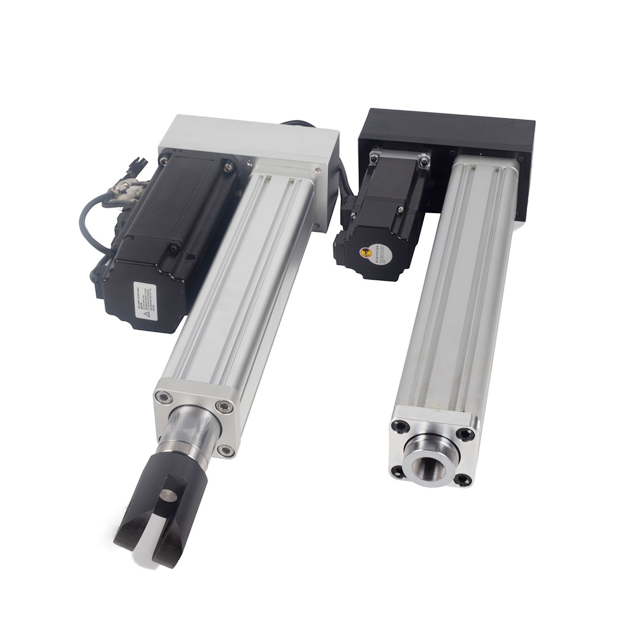
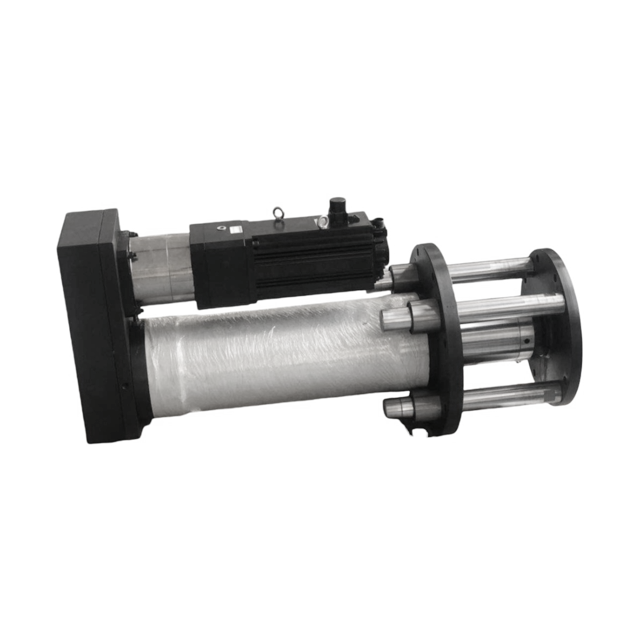
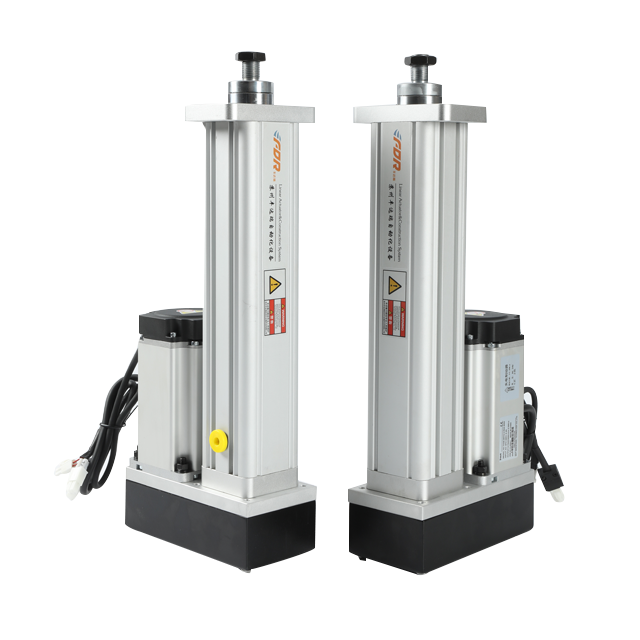
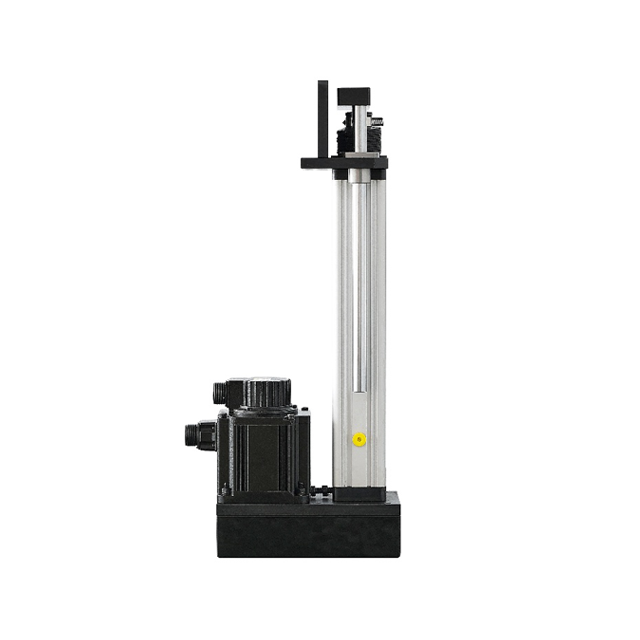
FDR Servo Electric Cylinder Series for Precision Linear Motion
FDR electric cylinders are designed for industrial applications that require precise, efficient, and programmable linear motion. Our servo electric cylinder series covers low, medium, and high thrust ranges to support automation equipment, robotic systems, precision machinery, and material handling applications.
Compared with conventional pneumatic or hydraulic systems, servo electric cylinders offer cleaner operation, higher positioning accuracy, easier control integration, and better energy efficiency. Depending on the model, FDR electric cylinders provide different thrust capacities, stroke ranges, speed options, repeatability levels, and protection ratings to match a wide range of industrial requirements.
Repeatability down to ±0.01mm depending on model
Energy-efficient linear motion compared with traditional pneumatic systems
IP54 to IP67 protection options depending on model and application
Programmable force and speed control
Low-maintenance design for long service life
Product Series Categories
1. High Thrust Electric Cylinder
Ideal Applications: Heavy-duty pushing, lifting, pressing, and hydraulic replacement scenarios in industrial equipment.
Key Features:
Strong load capacity for demanding applications
Stable performance for heavy-load motion tasks
Suitable for high-force industrial systems and long-stroke projects
2. Medium Thrust Electric Cylinder
Ideal Applications: Assembly lines, robotic systems, industrial automation equipment, and medium-load linear motion applications.
Key Features:
Balanced thrust, speed, and stroke capability
Suitable for general industrial automation
Flexible configuration for different installation requirements
3. Low Thrust Electric Cylinder
Ideal Applications: Precision positioning, compact automation equipment, laboratory devices, and light-load linear motion systems.
Key Features:
High precision and smooth motion control
Compact design for easy integration
Suitable for fast and repeatable positioning tasks
Electric Cylinder Selection Guide
Choose the right electric cylinder model based on thrust, stroke, speed, repeatability, ball screw size, and protection rating.
Model | Max Thrust | Stroke | Max Speed | Precision | Ball Screw Diameter | IP Rating |
FDR044 | 200kg | 200mm | ≤800mm/s | ±0.02mm | Φ16 | IP54 |
FDR075 | 800kg | 1200mm | ≤1250mm/s | ±0.01mm | Φ20 | IP65 |
FDR095 | 2000kg | 1700mm | ≤500mm/s | ±0.01mm | Φ32 | IP65 |
FDR110 | 3500kg | 1700mm | ≤500mm/s | ±0.01mm | Φ40 | IP65 |
FDR180 | 10000kg | 3500mm | ≤250mm/s | ±0.05mm | Φ63 | IP65 |
FDR270 | 20000kg | 3500mm | ≤200mm/s | ±0.02mm | Φ80 | IP65 |
Industry Applications
Automotive
FDR electric cylinders are suitable for automated assembly lines, transfer systems, testing equipment, and production devices in the automotive industry. They provide precise and repeatable linear motion to improve automation efficiency, positioning consistency, and equipment reliability.
Industrial Robotics & Assembly Lines
Servo electric cylinders can be integrated into robotic systems, pick-and-place units, and automated assembly lines that require smooth, programmable, and repeatable linear movement. They help improve control accuracy and simplify system integration.
Precision Manufacturing Equipment
Our electric cylinders are widely used in CNC-related equipment, laser systems, automated inspection stations, and other precision manufacturing applications where controlled force, positioning accuracy, and stable motion are important.
Material Handling Systems
FDR electric cylinders support conveyors, lifting units, pushing systems, packaging machinery, and other material handling equipment. They provide efficient linear motion for moving, lifting, pressing, and positioning products of different sizes and weights.
Electric Cylinder FAQ
What is an electric cylinder?
An electric cylinder is a servo-driven linear actuator designed to convert motor rotation into precise linear motion for pushing, pulling, lifting, or positioning tasks.
How do I choose the right electric cylinder?
Selection should be based on thrust requirement, stroke length, speed, repeatability, installation space, and environmental protection needs.
What is the difference between low, medium, and high thrust electric cylinders?
Low thrust models are typically used for precision and light-load applications, medium thrust models are suitable for general industrial automation, and high thrust models are designed for heavy-duty linear motion tasks.
Can electric cylinders replace pneumatic or hydraulic systems?
In many applications, yes. Electric cylinders offer cleaner operation, easier control integration, and more precise motion control, making them suitable alternatives in many industrial systems.
Can stroke, speed, and thrust be customized?
Yes. FDR can support different stroke lengths, speed ranges, thrust capacities, and installation configurations according to project requirements.