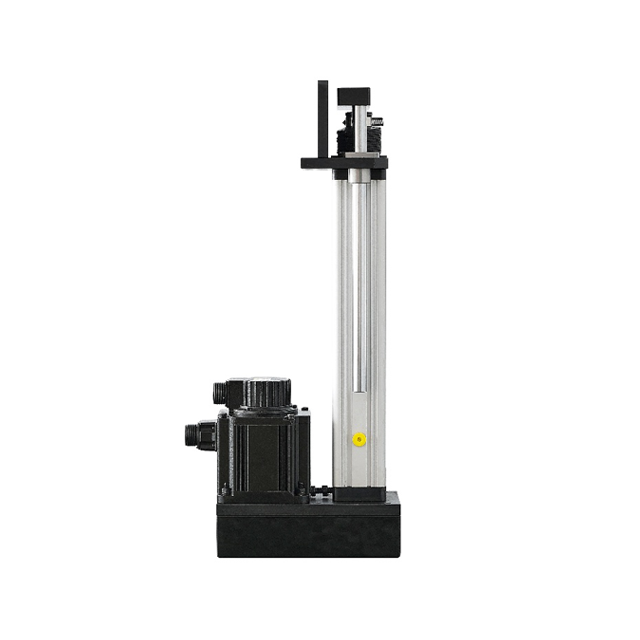
Have you ever wondered how much power an electric actuatorreally consumes? Understanding the current draw of electric actuators is crucial for optimizing performance. In this post, we’ll discuss what affects their amperage and how to calculate power consumption effectively.
Understanding Amps and Their Role in Electric Actuators
Definition of Amps in Electrical Circuits
Amps, short for amperes, measure the flow of electric current in a circuit. Think of it as the volume of water flowing through a pipe; the more amps, the more electrons are moving through the circuit. Each ampere represents one coulomb of electrical charge passing a point in the circuit per second. This measurement is crucial for understanding how much power an electric actuator will consume during operation.
How Amps Affect Electric Actuator Performance
The current draw, measured in amps, directly impacts the performance of electric actuators. Higher current draw typically means the actuator can exert more force, but it also leads to increased power consumption and potential overheating. For instance, a linear actuator rated at 12 amps will perform optimally at that current level. If the load increases, the actuator may draw more current, which can lead to inefficiencies or even damage if the power supply isn't adequate.
When selecting an actuator, consider its current draw under various loads. For example, a linear actuator with a rated load of 400 lbs may draw 12 amps at full capacity. However, if the load is reduced to 150 lbs, the current draw might decrease to around 7 amps. Understanding this relationship helps in designing systems that can handle the required load without exceeding the current limits of the actuator or the power supply.
Measuring Current Draw in Electric Actuators
To ensure the actuator operates within its specified parameters, measuring the current draw is essential. This can be done using a multimeter, which allows you to assess the actual current flowing through the actuator during operation. By measuring the current draw with varying loads, you can identify how efficiently the actuator performs under different conditions.
For instance, if an actuator is rated to draw 12 amps but measures 14 amps during operation, it may indicate an issue, such as binding or excessive load. Regular monitoring helps in troubleshooting and maintaining optimal performance, ensuring longevity and reliability in applications.
Calculating Power Consumption of Electric Actuators
Basic Power Consumption Formula
To determine how much power an electric actuator consumes, we can use a simple formula:
Power (W) = Voltage (V) × Current (A)
This equation shows that power consumption is directly related to the voltage supplied to the actuator and the current it draws during operation. For instance, if you have a linear actuator operating at 12 volts and drawing 10 amps, the power consumption would be:
Power = 12V × 10A = 120W
This basic understanding is crucial for sizing power supplies and ensuring that your actuator operates efficiently.
Factors Influencing Power Consumption
Several factors can impact the actual power consumption of electric actuators:
Load Weight: Heavier loads require more power. For example, a linear actuator rated for 400 lbs may draw a maximum of 12 amps, but if the load is reduced to 150 lbs, the current draw could drop to around 7 amps.
Operating Conditions: Environmental factors like temperature can affect motor efficiency. Higher temperatures may lead to increased resistance, causing the actuator to draw more current.
Motor Efficiency: The design and quality of the motor play a significant role. More efficient motors will consume less power for the same output.
Control Systems: The type of control system used can also influence power consumption. Systems that allow for variable speed or torque control can optimize energy usage based on demand.
Examples of Power Calculations for Different Loads
Let’s consider a few examples to illustrate how to calculate power consumption under different loads:
Example 1: Light Load
Voltage: 12V
Current Draw: 5A
Power Consumption:
Power = 12V × 5A = 60W
Example 2: Medium Load
Voltage: 12V
Current Draw: 10A
Power Consumption:
Power = 12V × 10A = 120W
Example 3: Full Load
Voltage: 12V
Current Draw: 12A
Power Consumption:
Power = 12V × 12A = 144W
These calculations allow engineers and technicians to assess whether their power supply can handle the actuator's demands and help in designing systems that are both efficient and safe.
Current Draw of Different Types of Electric Actuators
Comparison of 12V and 24V Electric Actuators
When selecting an electric actuator, voltage plays a crucial role. The two most common types are 12V and 24V actuators. Each has its strengths and weaknesses, primarily influenced by current draw and application suitability.
12V Electric Actuators:
Typically used in lighter-duty applications.
They draw higher current for the same power output compared to 24V actuators. For instance, a 12V actuator may draw 10 amps to achieve a specific force.
This higher current requirement necessitates thicker cables to prevent overheating and voltage drop, especially over longer distances.
Commonly found in automotive applications and smaller devices, they are ideal for projects where space and budget are limited.
24V Electric Actuators:
Generally preferred for heavier-duty applications due to their ability to handle greater loads.
They draw less current for the same power output, meaning lower heat generation and reduced energy loss. For example, a 24V actuator might only draw 5 amps for the same force output.
This lower current allows for thinner wiring, which simplifies installation and reduces material costs.
They are often used in industrial settings and existing machinery systems, making them easier to integrate into larger automation processes.
Current Draw in Low vs. High Force Rated Actuators
The current draw of an actuator varies depending on its force rating. Low force-rated actuators typically draw less current than high force-rated ones. For example, a low force actuator rated at 100 lbs might draw around 4 amps, while a high force actuator rated at 400 lbs could draw 12 amps.
Understanding this relationship is essential for system design. If an actuator is expected to operate under varying loads, it’s crucial to account for the maximum current draw to ensure the power supply can handle it without overheating or failing.
How Load Affects Current Draw
The load applied to an actuator significantly impacts its current draw. As the load increases, the actuator must work harder, leading to a higher current draw. For instance, if a linear actuator rated for 400 lbs draws 12 amps at full load, it may only draw 7 amps at a reduced load of 150 lbs.
This relationship is vital for selecting power supplies. For applications where the load fluctuates, ensure that the power supply can accommodate the maximum current draw to prevent damage to both the actuator and the power supply system.
Example: If a linear actuator is rated to draw 12 amps at full capacity and is expected to operate under varying loads, the power supply must be capable of providing at least 12 amps continuously. This prevents issues like overheating and inefficiency.
Choosing the Right Power Supply for Electric Actuators
Understanding Voltage Requirements
When selecting a power supply for an electric actuator, understanding voltage requirements is crucial. Most electric actuators operate at either 12V or 24V. It's essential to match the actuator's voltage rating to the power supply to ensure optimal performance and prevent damage.
For instance, if you have a 12V actuator, using a 24V power supply can lead to overvoltage, potentially damaging the actuator. Conversely, using a power supply with a lower voltage than required can result in insufficient power, causing the actuator to underperform or fail to operate altogether. Always check the actuator specifications to determine the correct voltage.
Selecting Power Supplies Based on Current Draw
Current draw is another critical factor in selecting a power supply. Each actuator has a maximum current draw rating, which indicates how much current it will consume under full load. To ensure your power supply can handle this demand, you need to choose one that meets or exceeds this current rating.
For example, if an actuator has a maximum current draw of 10 amps, the power supply should be rated for at least 10 amps or more. If multiple actuators are used, sum their current draws to determine the total required current. For instance, two actuators each drawing 5 amps would require a power supply rated for at least 10 amps. It's wise to add a safety margin to prevent overheating and ensure reliable operation.
Types of Power Supplies for Electric Actuators
There are several types of power supplies suitable for electric actuators:
AC to DC Power Supplies: These are commonly used for stationary applications where the actuator is powered from an outlet. They come in various ratings, such as 5A, 10A, or 30A, allowing you to choose based on your actuator's needs.
Batteries: Batteries are ideal for portable applications or where AC power is unavailable. A 12V car battery, for instance, can power a 12V actuator effectively. However, keep in mind that batteries require periodic recharging.
Switching Power Supplies: These are efficient options for applications requiring variable voltage or current. They can adjust the output to match the actuator's requirements, optimizing performance and energy consumption.
Water-Resistant Power Supplies: For outdoor or harsh environments, water-resistant power supplies offer protection against moisture. This is crucial for ensuring longevity and reliability in challenging conditions.
Choosing the right type of power supply depends on your specific application, including factors like load requirements, environmental conditions, and power availability.
Troubleshooting Current Draw Issues in Electric Actuators
Common Causes of High Current Draw
High current draw in electric actuators can lead to inefficiencies and potential damage. Understanding the common causes helps in diagnosing issues effectively. Here are some frequent culprits:
Overloading: If the actuator is subjected to a load exceeding its rated capacity, it will draw more current to compensate. This can lead to overheating and eventual failure.
Mechanical Binding: Misalignment or friction in the actuator's components can cause it to work harder than necessary, resulting in increased current draw. Regular maintenance and inspection can help identify and resolve these issues.
Voltage Fluctuations: If the supply voltage is higher than the actuator's rated voltage, it can lead to excessive current draw. Always ensure that the power supply matches the actuator's specifications.
Faulty Components: Damaged wiring, connectors, or internal components can create resistance in the circuit, leading to higher current draw. Regularly checking and replacing worn-out parts can prevent these problems.
Environmental Factors: High temperatures or humidity can affect actuator performance and increase current draw. In such cases, consider using actuators rated for harsher environments or adding cooling solutions.
Measuring and Diagnosing Current Draw Problems
To troubleshoot current draw issues effectively, accurate measurement is essential. Here’s how to do it:
Use a Multimeter: A digital multimeter can measure the current draw. Connect it in series with the actuator while it is operating under load to get a real-time reading.
Compare with Specifications: Check the actuator's specifications for its rated current draw. If the measured current exceeds this value, investigate further.
Load Testing: Test the actuator under different loads. If the current draw is significantly higher at a specific load, it may indicate mechanical binding or an overloaded condition.
Inspect Wiring and Connections: Look for any signs of damage or corrosion in the wiring and connectors. Poor connections can increase resistance, leading to higher current draw.
Evaluate Power Supply: Ensure the power supply voltage matches the actuator's requirements. A higher voltage can lead to increased current draw and potential damage.
Adjustments to Improve Efficiency
Once you’ve identified the cause of high current draw, several adjustments can enhance efficiency:
Reduce Load: If possible, reduce the load on the actuator. This can significantly decrease current draw and improve performance.
Regular Maintenance: Implement a regular maintenance schedule to check for mechanical binding, misalignment, or wear that could affect performance.
Upgrade Components: Consider using higher-quality components that can handle the required loads without excessive current draw.
Optimize Power Supply: Ensure the power supply is adequate for the actuator's needs. If necessary, upgrade to a power supply that provides stable voltage and current.
Implement Control Systems: Using advanced control systems can optimize the actuator's performance by adjusting the power supply based on real-time load conditions.
Conclusion
Understanding how many amps a linear actuator draws is crucial for its performance and efficiency. Amps measure the flow of electric current, directly impacting the actuator's force and power consumption. Selecting the right actuator involves considering its current draw under various loads. Regular monitoring and maintenance can prevent issues related to high current draw. FDRoffers high-quality electric actuators designed for optimal performance, ensuring reliability and efficiency in your applications. Explore FDR's products for innovative solutions tailored to your needs.
FAQ
Q: What is an electric actuator?
A: An electric actuator is a device that converts electrical energy into mechanical motion, commonly used in various applications for automation and control.
Q: How do I measure the current draw of an electric actuator?
A: You can measure the current draw of an electric actuator using a multimeter connected in series while the actuator operates under load.
Q: Why does my electric actuator draw more amps than expected?
A: High current draw in an electric actuator may be due to overloading, mechanical binding, or faulty components, requiring troubleshooting to identify the issue.
Q: What factors influence the cost of electric actuators?
A: The cost of electric actuators can vary based on factors such as load capacity, voltage, design complexity, and additional features like smart technology.
Q: What are the benefits of using electric actuators over hydraulic systems?
A: Electric actuators offer advantages such as lower maintenance, precise control, energy efficiency, and reduced environmental impact compared to hydraulic systems.