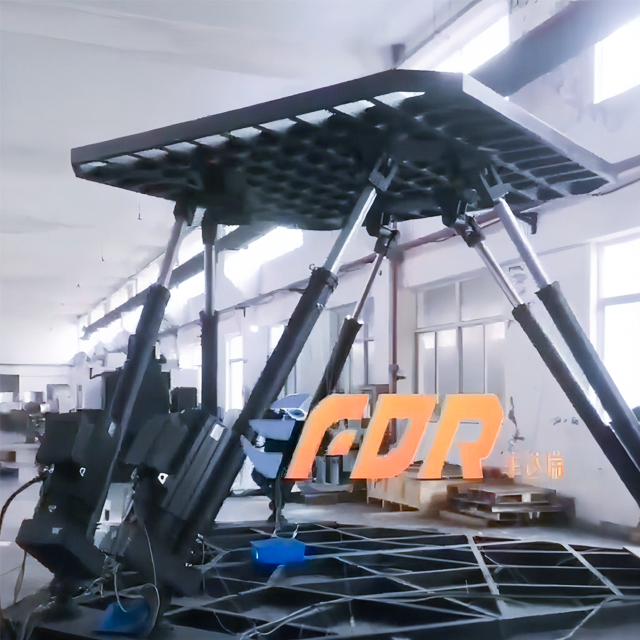
Are you ready to elevate your sim racing experience? A three axis motion basecan transform your gameplay into a thrilling adventure. In this article, we’ll explore what a three axis motion base is, its significance in sim racing, and what you can expect to learn about setting up and optimizing your racing rig.
Understanding Motion Sim Racing
Evolution from Static to Motion Platforms
Motion sim racing has transformed dramatically over the years. Initially, sim racers relied on static setups, which offered limited engagement. These setups consisted of a wheel and pedals fixed to a desk, providing no physical feedback. As technology advanced, enthusiasts began using static cockpits, which enhanced comfort but still lacked the immersive experience that many craved.
The breakthrough came with the development of motion platforms. These systems introduced dynamic movement, allowing users to feel the car's behavior through physical sensations. The introduction of two degrees of freedom (2DOF) systems marked the beginning of a new era, where rigs could tilt and roll to simulate basic movements. However, it was the emergence of three degrees of freedom (3DOF) and six degrees of freedom (6DOF) systems that truly revolutionized the experience. By 2025, motion platforms have become sophisticated, utilizing advanced actuators and software to recreate the nuances of real-life racing.
How Three Axis Motion Bases Enhance Realism
Three axis motion bases, or 3DOF systems, have become a popular choice among sim racing enthusiasts. These platforms allow motion in three directions: pitch, roll, and yaw. This capability provides a more realistic experience compared to static setups. When you accelerate, brake, or corner, the motion base shifts accordingly, simulating the forces felt in a real car.
For example, during a hard turn, you’ll feel the rig tilt, mimicking the sensation of lateral G-forces. This physical feedback enhances muscle memory, helping drivers improve their skills. Many professional racers now use motion platforms for training, as they provide an effective way to practice car control and reaction times without leaving home.
Key Components of Motion Sim Racing
To fully grasp the benefits of motion sim racing, it’s essential to understand its key components:
Motion Platform: The core of any motion sim setup, this device moves the seat and cockpit to simulate driving forces. Options range from 2DOF to 6DOF systems, each offering varying levels of immersion.
Actuators: These are the heart of the motion platform. Actuators convert digital signals into physical movements, providing the necessary feedback to the driver. Higher quality actuators deliver more precise and responsive motion.
Control Systems: The controller interprets the game’s data and translates it into movements. A good controller will ensure smooth and accurate feedback, enhancing the overall experience.
Software: Compatibility with popular racing games is crucial. Advanced software allows for real-time adjustments and customizations, ensuring that the motion platform reacts accurately to the game’s physics.
Visual and Audio Components: High-quality displays and audio systems are vital for immersion. Many setups now incorporate VR technology, allowing drivers to feel completely immersed in the racing environment.
By understanding these components and how they work together, you can appreciate the depth of realism that motion sim racing offers. Whether you're a casual gamer or a serious competitor, investing in a three-axis motion base can significantly enhance your racing experience.
Benefits of a Three Axis Motion Base
Improved Immersion and Realism
One of the standout advantages of a three axis motion base in sim racing is the heightened level of immersion it provides. Unlike traditional setups, which offer a static experience, a 3DOF system enables movement in three dimensions: pitch, roll, and yaw. This capability allows drivers to physically feel the car's dynamics, creating a more engaging experience.
For instance, when navigating a sharp corner, the motion base tilts to simulate the lateral forces at play. This feedback not only enhances the realism of the racing experience but also helps drivers develop muscle memory. As a result, they can better anticipate how their vehicle will react in various scenarios, improving their overall performance on the track.
Enhanced Training and Skill Development
The benefits of a three axis motion base extend beyond entertainment; they are also invaluable for training and skill development. Professional racers frequently use motion platforms to hone their skills in a controlled environment. The physical feedback from the motion base allows them to practice techniques such as braking, acceleration, and cornering without the risks associated with real-world racing.
Moreover, sim racing with a motion platform can help users refine their reflexes and reaction times. The realistic sensations experienced during a race can translate to better performance on actual tracks. For aspiring drivers, this means they can train effectively from home, making it a cost-effective alternative to traditional driving schools or track time.
Comparison with Other Motion Systems
When comparing three axis motion bases to other motion systems, such as 2DOF and 6DOF platforms, the differences become clear. While 2DOF systems provide basic pitch and roll movements, they lack the yaw motion that enhances realism. On the other hand, 6DOF systems offer even more complex movements but often come with a higher price tag and require more space.
Three axis motion bases strike a balance between performance and affordability. They provide a significant upgrade from static setups and 2DOF systems without the complexities and costs associated with 6DOF platforms. This makes them an ideal choice for both casual gamers and serious sim racers looking to elevate their experience without breaking the bank.
Setting Up Your Three Axis Motion Base
Choosing the Right Motion Platform
Selecting the right motion platform is crucial for an immersive sim racing experience. Three-axis motion bases (3DOF) are designed to provide motion in pitch, roll, and yaw, enhancing realism significantly. When choosing a platform, consider the following factors:
Degrees of Freedom: Ensure the platform offers three degrees of freedom. This allows you to feel the nuances of acceleration, braking, and cornering.
Space Requirements: Assess the space available in your home. Some platforms are compact, while others require more room to accommodate their motion capabilities.
Weight Capacity: Check the weight capacity of the platform to ensure it can support your seat, gear, and your body weight comfortably.
Build Quality: Look for platforms made from durable materials. A robust frame ensures stability and longevity, especially during intense racing sessions.
Brand Reputation: Brands like D-BOX and Sigma Integrale are known for their quality and performance. Research reviews and community feedback to make an informed choice.
Essential Components for Setup
Once you’ve chosen your motion platform, consider the essential components needed for a complete setup:
Racing Seat: An ergonomic seat is vital for comfort during long sessions. Look for adjustable options that provide lumbar support.
Wheel and Pedals: Invest in a quality racing wheel and pedal set. Direct drive wheels offer superior feedback and responsiveness.
Cockpit Frame: A sturdy frame holds your components securely. Ensure it’s compatible with your motion platform and allows for adjustments.
Visual Display: Choose between a single ultra-wide monitor, triple screen setup, or VR headset. High refresh rates and low latency are crucial for an immersive experience.
Audio System: Quality speakers or headphones enhance the racing experience. Consider surround sound systems for a more realistic auditory environment.
Step-by-Step Assembly Guide
Assembling your three-axis motion base can be straightforward if you follow these steps:
Prepare Your Space: Clear the area where you’ll set up your rig. Ensure there’s enough room for movement and access to power outlets.
Mount the Motion Platform: Follow the manufacturer’s instructions to securely mount the motion platform to the floor or a stable base. Ensure it’s level to prevent any movement issues.
Attach the Racing Seat: Secure the racing seat to the motion platform. Adjust the height and angle for comfort.
Connect Controls: Install the steering wheel and pedals. Ensure they’re securely fastened and connected to the motion platform.
Set Up the Visual Display: Position your monitors or VR headset according to your preference. Ensure they’re at eye level for optimal viewing.
Install Software: Download and install the necessary software for your motion platform. This software will help calibrate the system and connect it to your racing games.
Calibration: Follow the calibration process outlined in the software. Adjust settings for sensitivity and motion profiles to match your preferences.
Test the Setup: Start your favorite racing game and test the motion platform. Make any necessary adjustments to the settings for the best experience.
By carefully selecting your components and following these assembly steps, you’ll create an immersive motion sim racing setup that enhances your racing experience.
Integrating Software and Games
Best Games for Three Axis Motion Bases
To fully appreciate the capabilities of a three-axis motion base, it's essential to pair it with the right games. Some of the best titles designed to leverage the immersive experience of motion platforms include:
iRacing: This is a favorite among serious sim racers. Its detailed physics engine and realistic driving mechanics make it ideal for motion simulation. The game’s extensive online racing community adds to its appeal.
Assetto Corsa: Known for its realistic handling and extensive modding community, Assetto Corsa offers a wide range of cars and tracks. The game’s physics are finely tuned, making it a perfect match for motion platforms.
Project CARS 2: This game delivers stunning visuals and a robust simulation experience. Its dynamic weather and day-night cycle enhance immersion, especially when paired with a motion base.
Forza Horizon 5: While more arcade-style, Forza Horizon 5 provides an exhilarating experience with its open-world design. The game’s vibrant environments and varied terrains can be felt through the motion base, adding excitement to casual play.
Dirt Rally 2.0: For rally enthusiasts, this game offers an authentic off-road experience. The terrain changes and vehicle dynamics are well-represented, making it a thrilling experience on a motion platform.
Software Compatibility and Integration
Choosing a three-axis motion base also means ensuring it integrates smoothly with your favorite racing games. Here are some key points to consider:
Motion Software: Most motion platforms come with proprietary software that allows you to calibrate and customize settings. This software is crucial for translating game data into physical movements. Ensure the software is user-friendly and regularly updated.
Game Compatibility: Check if the motion platform supports the games you want to play. Many popular racing titles have built-in support for motion systems, but some may require additional plugins or configurations.
Telemetry Integration: Advanced setups can utilize telemetry data from games to enhance the motion experience further. This feature allows for real-time adjustments based on driving performance, providing a more tailored experience.
Using AI for Enhanced Experience
Artificial Intelligence (AI) is making waves in the sim racing world, offering new ways to enhance the motion experience. Here’s how AI can be utilized:
Adaptive Motion Profiles: AI can analyze your driving style and adapt the motion feedback accordingly. This means the motion base can provide different levels of feedback based on your performance, helping you improve faster.
Real-Time Coaching: Some systems integrate AI-driven coaching tools that analyze telemetry data and offer tips for improvement. This feature can be incredibly beneficial for both novice and experienced racers looking to refine their skills.
Customizable Experiences: AI can help create personalized settings for different users. For families or shared setups, this means each person can have their tailored experience without needing to adjust settings manually.
Incorporating the right games and software into your three-axis motion base setup can significantly enhance your sim racing experience. By ensuring compatibility and leveraging AI advancements, you can create a truly immersive and enjoyable racing environment.
Maintenance and Troubleshooting
Routine Maintenance Tips
Maintaining your three-axis motion base is essential for ensuring a smooth and immersive sim racing experience. Regular maintenance helps prolong the life of your equipment and prevents unexpected issues. Here are some tips to keep your motion platform in top condition:
Regular Cleaning: Dust and debris can accumulate on your motion base and controls. Use a soft cloth to wipe down surfaces and keep the actuators free from dust. Avoid using harsh chemicals that could damage the finish.
Check Connections: Periodically inspect all cables and connections for wear or damage. Loose or frayed wires can lead to inconsistent performance. Ensure that all connections are secure and properly seated.
Lubrication: Depending on the design of your motion platform, some moving parts may require lubrication. Refer to the manufacturer’s guidelines for specific lubrication needs and recommended products.
Firmware Updates: Keep your motion platform's firmware and software up to date. Manufacturers frequently release updates that can enhance performance and fix bugs. Regularly check the manufacturer's website for the latest versions.
Calibration: Regularly recalibrate your motion base to ensure accurate feedback. Calibration helps maintain the responsiveness of the actuators and ensures that the motion accurately reflects the in-game physics.
Common Issues and Solutions
Even with proper maintenance, issues can arise. Here are some common problems you might encounter with your three-axis motion base and their solutions:
Inconsistent Motion Feedback: If you notice that the motion base isn’t responding correctly, check the calibration settings. Recalibrating the system often resolves this issue. Additionally, ensure that the software is fully updated.
No Power or Response: If your motion platform doesn’t power on, check the power supply and connections. Ensure that the power cable is securely connected and that the outlet is functioning. If the issue persists, consult the manufacturer’s troubleshooting guide.
Excessive Noise: Unusual sounds from the actuators can indicate mechanical issues. Check for obstructions or debris around the moving parts. If noise continues, it might be time to consult a technician or the manufacturer.
Software Compatibility Issues: Sometimes, games may not recognize your motion platform. Ensure that the software is correctly installed and that the motion platform is selected in the game settings. Checking for game updates can also help resolve compatibility problems.
Upgrading Your Motion Base
As technology advances, upgrading your three-axis motion base can enhance your sim racing experience. Here are some considerations when thinking about upgrades:
Actuator Upgrades: If your current actuators are not delivering the desired performance, consider upgrading to higher-quality or more powerful models. Look for actuators with better responsiveness and range of motion.
Enhanced Software: Many manufacturers offer advanced software options that provide additional features, such as improved telemetry and customizable motion profiles. Investing in better software can significantly enhance your experience.
Modular Accessories: Explore modular components that can enhance your setup. For example, adding a new racing seat or integrating advanced haptic feedback systems can take immersion to the next level.
Community Feedback: Engage with sim racing communities to learn about the latest upgrades and modifications. User experiences can guide you in making informed decisions about potential upgrades.
By following these maintenance tips, addressing common issues promptly, and considering upgrades, you can ensure that your three-axis motion base remains a reliable and immersive tool for your sim racing adventures.
Future of Three Axis Motion Bases in Sim Racing
Emerging Technologies and Trends
The landscape of sim racing is evolving rapidly, particularly with the rise of three-axis motion bases. In 2025, we’re witnessing breakthroughs in actuator technology, software integration, and overall system design. These innovations are pushing the boundaries of realism and user experience.
1. Advanced Actuators:
Modern motion platforms are equipped with smarter actuators that provide enhanced feedback. These devices are quieter, faster, and more precise, allowing users to feel every nuance of the racing experience. Improvements in materials and engineering have led to more robust designs that withstand intensive use.
2. Modular Designs:
The trend toward modular setups continues to grow. Users can start with a basic three-axis motion base and upgrade components as their needs evolve. This flexibility allows both casual gamers and serious racers to invest in systems that can expand over time.
3. Integration with Virtual Reality (VR):
Seamless integration with VR technology has become a standard feature. Many new motion platforms allow users to switch between traditional displays and VR headsets effortlessly. This capability enhances immersion, making users feel as if they are truly inside the car.
Predictions for Motion Sim Racing
As we look ahead, several predictions emerge for the future of three-axis motion bases in sim racing:
1. Increased Accessibility:
With prices steadily decreasing, high-quality motion platforms will become more accessible to a wider audience. This democratization of technology means more enthusiasts can experience the thrill of motion sim racing.
2. AI Integration:
Artificial intelligence will play a more significant role in customizing user experiences. AI can analyze driving patterns and adjust motion profiles in real-time, providing tailored feedback that enhances training and enjoyment.
3. Enhanced Community Engagement:
The growth of online communities will continue to foster collaboration and innovation. Users will share custom motion profiles, setups, and modifications, creating a vibrant ecosystem that drives advancements in technology and user experience.
Community and User-Driven Innovations
The role of the community in shaping the future of motion sim racing cannot be overstated. As more enthusiasts engage with the technology, they contribute to a wealth of knowledge and innovation. Here are a few ways this community impact is manifesting:
1. Open Source Software:
Many users are developing open-source software solutions that enhance compatibility and performance across various motion platforms. This collaborative spirit allows users to benefit from the collective expertise of the community.
2. User-Created Content:
Gamers are sharing custom motion profiles and settings tailored to specific games or personal preferences. This sharing of knowledge enriches the overall experience and allows newcomers to hit the ground running.
3. Feedback Loops with Manufacturers:
As users provide feedback on their experiences, manufacturers are increasingly responsive. They are adapting products based on community input, leading to improved designs and features that meet the actual needs of users.
In conclusion, the future of three-axis motion bases in sim racing is bright. Emerging technologies, user-driven innovations, and a growing community will continue to enhance the experience, making it more immersive and accessible than ever before.
Conclusion
Motion sim racing has evolved significantly from static setups to advanced three-axis motion bases, enhancing realism and immersion. These platforms simulate car dynamics through pitch, roll, and yaw movements, improving driver skills and muscle memory. FDR offers innovative motion platforms that elevate the racing experience, providing precise feedback and compatibility with popular racing games. Explore the world of motion sim racing with FDR's cutting-edge products to enhance your racing adventures and training at home.
FAQ
Q: What is a three axis motion base in sim racing?
A: A three axis motion base, or 3DOF system, enhances the sim racing experience by allowing movement in pitch, roll, and yaw, providing realistic feedback during racing.
Q: How does a three axis motion base improve training for racers?
A: A three axis motion base simulates real car dynamics, helping racers develop muscle memory and improve their skills in a safe, controlled environment.
Q: Why should I invest in a three axis motion base for sim racing?
A: Investing in a three axis motion base significantly enhances immersion and realism, allowing drivers to feel the nuances of acceleration, braking, and cornering.
Q: What is the typical cost of a three axis motion base?
A: Prices for three axis motion bases vary, typically ranging from $1,000 to over $5,000 depending on features and build quality.
Q: How do I troubleshoot issues with my three axis motion base?
A: Common troubleshooting steps for a three axis motion base include checking connections, recalibrating the system, and ensuring software compatibility.