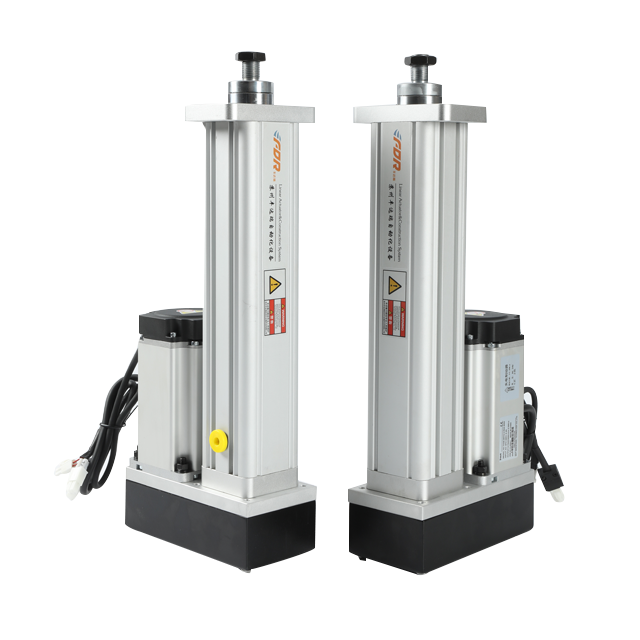
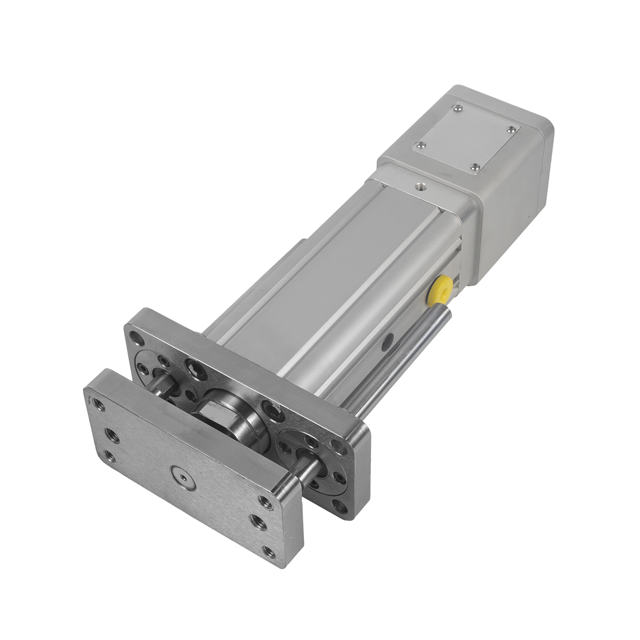
Have you ever wondered how machines move with such precision? Electric actuators are the unsung heroes behind modern automation. This article will explore what electric actuators are, their importance in various industries, and the diverse applications they serve. Get ready to learn about the future of automation!
Types of Electric Actuators
Electric actuators are essential in various automation systems, providing precise control over movement. They can be categorized into several types based on their operational mechanisms and applications. Here’s a closer look at the main types of electric actuators:
Rotary Electric Actuators
Rotary electric actuators convert electrical energy into rotational motion. They are commonly used in applications requiring precise angular positioning, such as robotics, valve control, and automated machinery. These actuators typically utilize a motor and gearbox to achieve the desired speed and torque. They can be further classified into two types:
Servo Motors: These provide precise control over angular position, speed, and acceleration. They are often equipped with feedback systems to ensure accuracy.
Step Motors: These motors rotate in fixed increments or "steps," allowing for precise control over position without needing feedback systems.
Linear Electric Actuators
Linear electric actuators convert electrical energy into linear motion. They are widely used in applications requiring straight-line movement, such as in conveyor systems, medical devices, and industrial automation. The primary components of linear actuators include:
Lead Screws: These convert rotational motion into linear movement. As the screw rotates, the attached nut moves along the screw’s length.
Linear Motors: These provide direct linear motion without the need for mechanical conversion, offering high speed and efficiency.
Servo Electric Actuators
Servo electric actuators are a subtype of electric actuators designed for high precision and control. They combine a motor with feedback devices, such as encoders, to monitor position and speed. This feedback loop allows for real-time adjustments, making servo actuators ideal for applications requiring high accuracy, such as CNC machines and robotic arms. They are known for their:
High Torque: Capable of handling heavy loads with precision.
Fast Response Times: Ideal for dynamic applications where speed is crucial.
Stepper Electric Actuators
Stepper electric actuators are designed to move in discrete steps, providing precise control over position and speed. They are commonly used in applications like 3D printers, CNC machines, and robotics. Key characteristics include:
Open-Loop Control: Typically, they do not require feedback systems, making them simpler and more cost-effective.
High Precision: They can achieve accurate positioning without the need for complex control systems.
Working Principles of Electric Actuators
How Electric Motors Operate
Electric motors are the backbone of electric actuators. They convert electrical energy into mechanical energy, enabling movement. The basic operation of an electric motor involves electromagnetic principles. When electricity flows through a coil, it generates a magnetic field. This magnetic field interacts with permanent magnets or other coils, causing the rotor to turn.
There are two main types of electric motors used in actuators:
AC Motors: These motors operate on alternating current and are often used in applications requiring continuous operation. They are robust and reliable.
DC Motors: These motors use direct current and provide precise control over speed and torque. They are commonly found in applications where variable speed is essential.
Conversion of Electrical Energy to Mechanical Energy
The conversion process of electrical energy into mechanical energy is crucial for the functionality of electric actuators. Here's how it works:
Input Electrical Energy: The motor receives electrical energy from a power source, typically a battery or an AC outlet.
Electromagnetic Interaction: The flow of electricity creates a magnetic field that interacts with components within the motor, causing rotation.
Mechanical Output: This rotational motion is then transferred to the actuator's components, such as screws or gears, which convert it into linear or rotary motion.
This conversion is efficient, allowing actuators to perform tasks like lifting, pushing, or moving objects with precision.
Control Systems for Electric Actuators
Control systems play a vital role in managing electric actuators. They ensure the actuator operates at the desired speed, position, and force. Here are some common control systems used:
Open-Loop Control: This system sends commands to the actuator without feedback. It's simple but less accurate, as it doesn't account for load changes or errors.
Closed-Loop Control: This system incorporates feedback mechanisms, such as encoders or sensors, to monitor the actuator's position and performance. By comparing the actual position to the desired position, it adjusts the motor's operation in real time, enhancing accuracy and efficiency.
These control systems enable electric actuators to perform complex tasks in various applications, from robotics to industrial automation.
Components of Electric Actuators
Electric actuators are composed of several key components that work together to convert electrical energy into mechanical motion. Understanding these components is essential for selecting, maintaining, and optimizing electric actuators for various applications. Let's delve into the primary components of electric actuators:
Motors
At the heart of every electric actuator is the motor. It converts electrical energy into mechanical energy, enabling movement. There are two main types of motors used in electric actuators:
AC Motors: These operate on alternating current and are ideal for continuous operation, providing robust performance in industrial settings.
DC Motors: These use direct current and offer precise control over speed and torque, making them suitable for applications requiring variable speed.
Gear Systems
Gear systems are crucial for adjusting the speed and torque output of the motor. They help to amplify the force generated by the motor, allowing the actuator to handle heavier loads. Gear systems can be configured in various ways, including:
Planetary Gears: These provide high torque in a compact design, ideal for space-constrained applications.
Spur Gears: These are simpler and more cost-effective, often used in applications where high precision is not critical.
Control Units
Control units manage the operation of the electric actuator. They ensure the actuator operates at the desired speed, position, and force. Key types of control systems include:
Open-Loop Control: This system sends commands to the actuator without feedback, making it simpler but less accurate.
Closed-Loop Control: This system incorporates feedback mechanisms, allowing for real-time adjustments and enhancing accuracy.
Sensors and Feedback Mechanisms
Sensors are integral to electric actuators, providing real-time data on position, speed, and force. Common sensors include:
Encoders: These detect the position of the actuator and provide feedback to the control unit, ensuring accurate positioning.
Limit Switches: These help prevent over-travel by signaling when the actuator has reached its maximum or minimum position.
Feedback mechanisms, such as encoders and sensors, are essential for closed-loop systems. They allow for precise control and adjustment, ensuring the actuator performs optimally.
Applications of Electric Actuators
Electric actuators play a pivotal role across various industries by providing precise control and automation of movement. Their versatility allows them to be integrated into numerous applications, enhancing efficiency, accuracy, and reliability. Here’s a closer look at the primary applications of electric actuators:
Industrial Automation
In industrial settings, electric actuators are essential for automating processes. They are widely used in assembly lines, where they control the movement of machinery, conveyor belts, and robotic arms. Electric actuators facilitate tasks such as sorting, packaging, and material handling, significantly improving productivity. They can be programmed for precise movements, enabling seamless integration into complex automation systems.
Robotics
Electric actuators are integral to the functionality of robotic systems. They allow robots to perform tasks that require high precision, such as welding, painting, and assembly. By providing accurate positioning and movement control, electric actuators enhance the capabilities of robots in various applications, including manufacturing, logistics, and medical robotics. Their ability to respond quickly to commands makes them ideal for dynamic environments where adaptability is crucial.
Medical Devices
In the medical field, electric actuators are utilized in various devices, including surgical robots, patient positioning systems, and diagnostic equipment. They ensure precise movements, which are essential for procedures that require high accuracy and reliability. For instance, in surgical applications, electric actuators enable robotic arms to perform delicate tasks with minimal invasiveness, improving patient outcomes and recovery times.
Automotive Systems
Electric actuators are increasingly used in automotive applications, contributing to advancements in vehicle technology. They control functions such as power windows, seat adjustments, and throttle control in electric and hybrid vehicles. By providing precise control over these systems, electric actuators enhance user comfort and vehicle performance. Moreover, their integration into autonomous vehicles allows for smooth and efficient operation of various systems.
Advantages of Electric Actuators
Electric actuators offer numerous benefits that make them a preferred choice in various automation and control applications. Their design and functionality provide distinct advantages over traditional mechanical systems. Here are some of the key benefits:
Energy Efficiency
Electric actuators are known for their energy efficiency. Unlike pneumatic or hydraulic systems, which require substantial energy to maintain pressure, electric actuators convert electrical energy directly into mechanical motion. This efficiency translates into lower operational costs and reduced energy consumption, making them environmentally friendly options for automation processes.
Precision and Control
One of the standout features of electric actuators is their precision. They provide accurate control over speed, position, and force, which is crucial in applications like robotics, CNC machinery, and medical devices. Electric actuators can achieve high repeatability, ensuring that movements are consistent and reliable. This level of control minimizes errors and enhances overall system performance.
Low Maintenance Requirements
Electric actuators generally require less maintenance compared to their pneumatic or hydraulic counterparts. They have fewer moving parts and do not involve fluid systems, which can leak or require regular refilling. This reduces the need for routine maintenance tasks, saving time and operational costs. Additionally, many electric actuators are designed to operate in harsh environments, further extending their lifespan.
Versatility in Applications
Electric actuators are incredibly versatile and can be used in a wide range of applications across various industries. From industrial automation and robotics to automotive systems and medical devices, their adaptability allows them to meet diverse operational needs. They can be easily integrated into existing systems and customized to suit specific requirements, making them suitable for both simple and complex applications.
Challenges and Considerations
While electric actuators offer numerous advantages, they also come with challenges and considerations that users must address to ensure optimal performance. Here are some key challenges associated with electric actuators:
Heat Management
Electric actuators generate heat during operation, primarily due to friction and electrical resistance. Excessive heat can lead to performance degradation, reduced lifespan, and potential failure. Effective heat management strategies, such as using heat sinks or cooling systems, are essential to maintain optimal operating temperatures. Users should also consider the ambient temperature and ensure that the actuator's specifications align with the environmental conditions in which it operates.
Load Capacity Limitations
Every electric actuator has a defined load capacity, which indicates the maximum weight it can handle without compromising performance or safety. Exceeding this limit can lead to mechanical failure or reduced accuracy. It's crucial to accurately assess the load requirements of your application and select an actuator that meets or exceeds those specifications. Additionally, consider dynamic loads, as they can differ from static loads and may require more robust actuators.
Installation and Integration Issues
Integrating electric actuators into existing systems can pose challenges. Proper installation is critical to ensure that the actuator functions correctly and efficiently. Misalignment or improper mounting can lead to increased wear, inaccurate positioning, and system failures. It's important to follow manufacturer guidelines and best practices during installation. Moreover, compatibility with control systems and other components must be verified to avoid integration issues.
Cost Considerations
While electric actuators can reduce operational costs through energy efficiency and low maintenance, the initial investment can be significant. Users must weigh the long-term benefits against the upfront costs. Considerations include the actuator's expected lifespan, maintenance requirements, and the potential for increased productivity. In some cases, investing in higher-quality actuators may lead to lower overall costs in the long run due to reduced downtime and maintenance.
Future Trends in Electric Actuators
The field of electric actuators is evolving rapidly, driven by advancements in technology and the growing demand for automation across various industries. As we look to the future, several trends are emerging that will shape the development and application of electric actuators.
Increasing Use of IoT
The integration of the Internet of Things (IoT) into electric actuators is one of the most significant trends. IoT enables devices to communicate and share data, leading to smarter and more efficient systems. Electric actuators equipped with IoT technology can provide real-time feedback and performance data, allowing for predictive maintenance and enhanced control. This connectivity improves operational efficiency and reduces downtime, making it an attractive option for industries such as manufacturing, logistics, and smart buildings.
Advancements in Materials and Technology
Innovations in materials science are paving the way for lighter, stronger, and more efficient electric actuators. New composite materials and advanced manufacturing techniques, such as 3D printing, enable the creation of more compact designs without sacrificing performance. These advancements lead to reduced energy consumption and improved durability, making electric actuators more suitable for a wider range of applications. Additionally, the development of miniaturized components allows for the integration of actuators into smaller devices, expanding their use in consumer electronics and medical applications.
Integration with AI and Machine Learning
Artificial intelligence (AI) and machine learning are becoming increasingly integrated into electric actuators. These technologies enable actuators to learn from data and adapt to changing conditions. For example, AI can optimize the performance of electric actuators by analyzing historical data to predict load requirements and adjust operation accordingly. This results in enhanced precision, reduced energy consumption, and improved overall efficiency. Industries such as robotics and automation will benefit significantly from these advancements, enabling more intelligent and responsive systems.
Sustainability and Energy-Efficient Designs
As sustainability becomes a priority for many industries, the demand for energy-efficient electric actuators is on the rise. Manufacturers are focusing on developing actuators that consume less power and produce fewer emissions. This includes the use of regenerative braking systems, which capture energy during operation and reuse it, further enhancing efficiency. Additionally, environmentally friendly materials and manufacturing processes are being prioritized, aligning with global efforts to reduce the carbon footprint of industrial operations.
Conclusion
Electric actuators are crucial for automation, providing precise control in various applications. They come in rotary and linear types, each with unique features. Understanding their components and working principles is essential for effective use. Electric actuators offer energy efficiency, low maintenance, and high precision. FDRspecializes in electric actuators, delivering innovative solutions tailored to diverse needs. Their products enhance performance and reliability, making them a valuable choice for modern automation challenges. Explore FDR for more insights into electric actuator technology.
FAQ
Q: What is an electric actuator?
A: An electric actuator is a device that converts electrical energy into mechanical motion, allowing for precise control of movement in various applications.
Q: How does an electric actuator work?
A: An electric actuator works by using an electric motor to convert electrical energy into mechanical energy, which is then used to move components in a linear or rotary motion.
Q: Why choose an electric actuator over hydraulic systems?
A: Electric actuators are often preferred due to their energy efficiency, low maintenance requirements, and precise control compared to hydraulic systems.
Q: What are the common applications of electric actuators?
A: Electric actuators are widely used in industrial automation, robotics, medical devices, and automotive systems for precise movement control.
Q: What factors affect the cost of electric actuators?
A: The cost of electric actuators can be influenced by factors such as type, load capacity, precision, and technology used in their design.