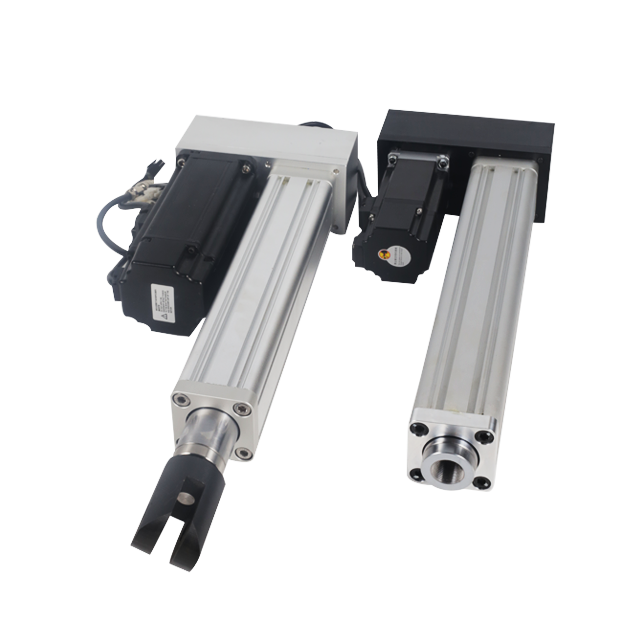
Imagine optimizing your machinery with precision and efficiency. Electric cylinders are transforming industries with their clean, oil-free operation. Understanding their thrust capabilities is crucial. Selecting the right thrust—low, medium, or high—impacts performance and cost. In this post, you'll learn how to choose the perfect electric cylinder for your system's needs. Explore the characteristics, applications, and benefits of each thrust type to make an informed decision.
Low Thrust Electric Cylinders
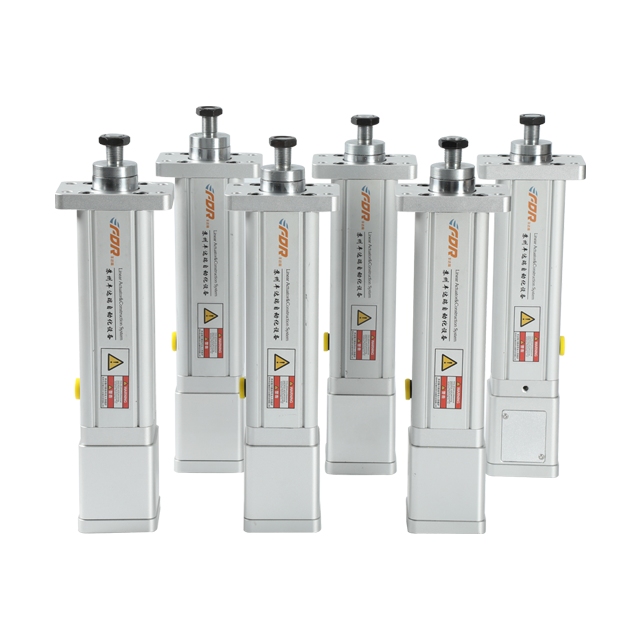
Characteristics of Low Thrust Electric Cylinders
Low thrust electric cylinders are designed to deliver modest force levels, typically suitable for applications requiring gentle or precise movements. These cylinders often utilize smaller motors—such as stepper motors or compact DC motors—and lightweight components to achieve efficient operation at lower power consumption. The thrust range generally falls below a few hundred pounds, making them ideal for tasks that don't demand heavy lifting or high force.
Key characteristics include:
Compact size and lightweight construction
Moderate speed capabilities, often up to 50 mm/s
Precision positioning with good repeatability
Typically use electric cylinder linear actuators or electric actuator cylinders
Lower power requirements, sometimes available as electric cylinder 12v or electric cylinder 12 volt models
Applications Suitable for Low Thrust
Low thrust electric cylinders find their niche in applications where delicate control and compactness are paramount. Common uses include:
Automated assembly lines for small parts handling
Medical devices requiring precise linear motion
Laboratory equipment for sample positioning
Electric lift cylinder applications with light loads
Robotics and automation where fine control is necessary
Valve actuation in process industries
These applications benefit from the clean, oil-free operation of electric cylinders compared to electric hydraulic actuators or electric hydraulic cylinders.
Advantages and Limitations
Advantages:
Energy-efficient operation with minimal power draw
Quiet and clean, with no risk of hydraulic leaks
Easy integration with control systems for precise positioning
Compact footprint suitable for space-constrained designs
Lower initial and maintenance costs compared to hydraulic or heavy duty electric cylinders
Limitations:
Limited thrust capacity restricts use to lighter loads
May not be suitable for applications requiring high speed under heavy load
Less robust against shock or side loads compared to hydraulic ram cylinders or electric over hydraulic cylinders
Speed and force trade-offs can limit certain dynamic applications
In summary, low thrust electric cylinders are excellent for precise, light-duty tasks where clean operation and control accuracy are priorities. However, they are not the go-to choice for heavy industrial lifting or high-force scenarios.
Tip: When selecting a low thrust electric cylinder, consider the duty cycle and required precision carefully to ensure the electric cylinder linear actuator meets your system’s performance without oversizing.
Medium Thrust Electric Cylinders
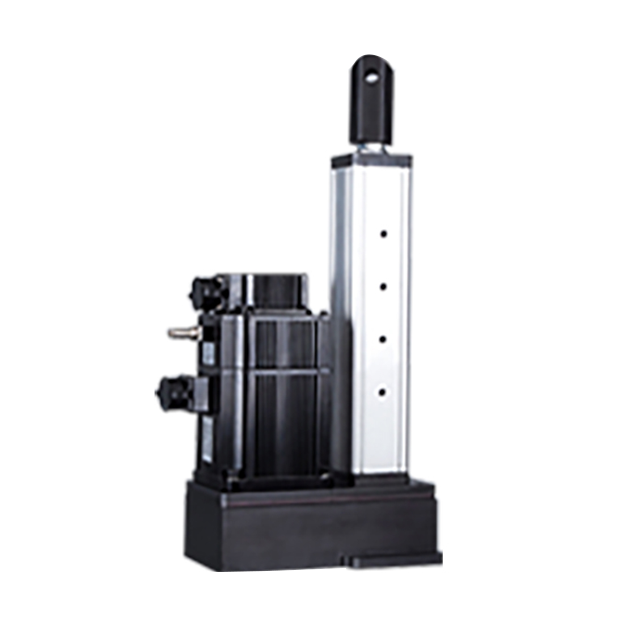
Features of Medium Thrust Electric Cylinders
Medium thrust electric cylinders strike a balance between force capability and size, making them versatile for a wide range of industrial applications. Typically, these cylinders deliver thrust forces from several hundred to a few thousand pounds, bridging the gap between low thrust and heavy duty electric cylinders. They often utilize more robust electric cylinder linear actuators or electric actuator cylinders equipped with higher torque motors such as brushless DC or servo motors, offering improved speed and positioning control.
Key features include:
Moderate to high force output, generally in the 500–3000 lb range
Enhanced precision with closed-loop feedback systems for repeatable positioning
Speeds up to 100 mm/s, depending on motor and screw lead combinations
Compatibility with 12v electric cylinder or electric cylinder 12 volt configurations for specific applications
Improved durability and duty cycles compared to low thrust models, suitable for continuous or semi-continuous operation
Often designed to replace or complement electric hydraulic actuators or electric over hydraulic cylinders where cleaner operation is desired
Typical Use Cases for Medium Thrust
Medium thrust electric cylinders are well-suited for applications requiring a balance of power and control without the complexity or size of heavy duty electric cylinders or hydraulic ram electric systems. Common use cases include:
Material handling equipment where moderate loads must be lifted or pushed
Automated packaging machinery requiring precise and repeatable linear motion
Electric lift cylinder setups in industrial automation that need more force than low thrust cylinders provide
Valve actuation systems in process industries, especially when replacing electric hydraulic cylinders
Robotics and assembly lines where moderate thrust and speed are essential for productivity
Medical and laboratory equipment requiring reliable, quiet operation with moderate force
These applications benefit from the clean, oil-free operation and ease of integration that electric cylinders offer over hydraulic or pneumatic alternatives.
Benefits and Considerations
Benefits:
Provides a robust force output suitable for a wide range of industrial tasks
Offers improved control and precision with servo or brushless motor options
Cleaner operation compared to electric hydraulic actuators or hydraulic ram cylinders
Generally lower maintenance and longer service life than hydraulic counterparts
Compatible with 12v electric cylinder systems, aiding integration in low voltage environments
Energy efficient, consuming power only during movement, reducing operational costs
Considerations:
Larger and heavier than low thrust electric cylinders, requiring more installation space
May have higher upfront costs compared to simpler low thrust models
Not always suitable for extremely high force or heavy duty applications where hydraulic cylinders excel
Speed and thrust are influenced by motor and screw lead selection; careful sizing is necessary
Requires appropriate control systems to fully leverage precision capabilities
In conclusion, medium thrust electric cylinders offer a practical compromise between size, force, and control. They are ideal for systems that demand more power than low thrust cylinders can provide but do not require the full capacity or complexity of heavy duty electric cylinders or hydraulic systems.
Tip: When specifying a medium thrust electric cylinder, carefully evaluate your system’s load requirements, desired speed, and duty cycle to select an electric actuator cylinder that balances performance with energy efficiency and longevity.
High Thrust Electric Cylinders
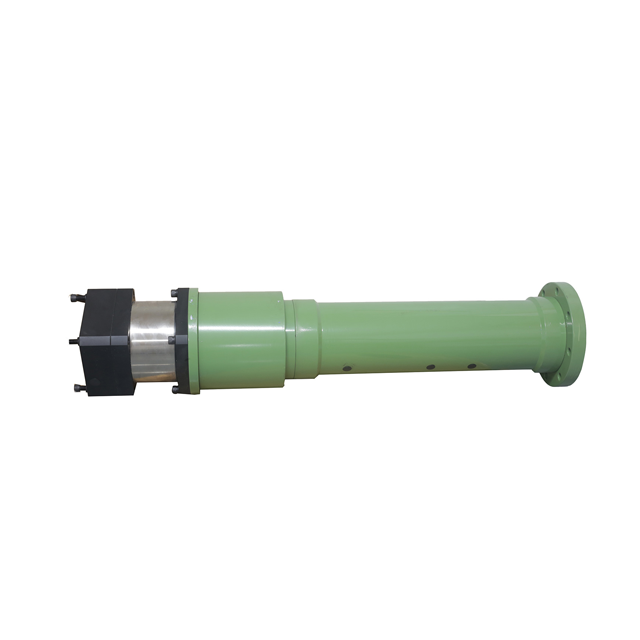
Specifications of High Thrust Electric Cylinders
High thrust electric cylinders are engineered to deliver substantial force, often exceeding several thousand pounds, making them suitable for heavy-duty industrial applications. These cylinders typically incorporate powerful servo or brushless DC motors coupled with robust ball or roller screws to provide both high thrust and precise control. Their construction features reinforced housings and advanced sealing to withstand demanding environments and heavy loads.
Key specifications include:
Thrust capacities ranging from 3,000 lbs to over 30,000 lbs
Stroke lengths customizable to application needs, often exceeding 500 mm
Speeds generally lower than low or medium thrust cylinders due to high force demands, typically up to 50 mm/s
High duty cycles and continuous operation capability
Integration with advanced controls for position, velocity, and force feedback
Availability in configurations such as heavy duty electric cylinders and electric ram cylinders
Often designed to replace or complement electric hydraulic cylinders or electric over hydraulic cylinders in industrial settings
Industries and Applications for High Thrust
High thrust electric cylinders are indispensable in industries requiring heavy lifting, pressing, or clamping with precise control. Common applications include:
Heavy machinery automation in manufacturing plants
Pressing and forming operations in metal fabrication
Material handling where large loads must be moved or positioned
Electric lift cylinder applications involving heavy equipment
Robotics requiring powerful linear motion combined with accuracy
Replacement of hydraulic ram electric systems in environments demanding cleaner operation
Valve actuation in large-scale process industries where high force is essential
These cylinders provide a clean alternative to hydraulic systems, eliminating risks associated with oil leaks and reducing maintenance complexities.
Pros and Cons
Pros:
High force output suitable for demanding industrial tasks
Precise control over position, speed, and force, improving process quality
Cleaner operation compared to electric hydraulic actuators or hydraulic cylinders
Long service life with proper maintenance, often featuring greased-for-life ball screws
Integration with sophisticated control systems for enhanced automation
Reduced environmental impact due to absence of hydraulic fluids
Cons:
Larger size and weight compared to low and medium thrust cylinders, requiring more installation space
Higher initial investment cost due to robust components and advanced motors
Lower maximum speeds owing to the trade-off between force and velocity
Requires careful sizing and control system integration to optimize performance
Potential need for external shock absorbers or oversizing to handle impact loads
In summary, high thrust electric cylinders are the go-to solution when your system demands maximum force with precise control, especially where hydraulic systems are less desirable due to maintenance or environmental concerns.
Tip: When selecting a high thrust electric cylinder, prioritize matching the motor torque, screw lead, and stroke length to your load requirements to ensure optimal performance and longevity of your electric actuator cylinder.
Comparing Low, Medium, and High Thrust Electric Cylinders
Performance Comparison
When evaluating electric cylinders, performance is key. Low thrust electric cylinders excel in precise, light-duty tasks, offering smooth and quiet operation with thrusts typically below a few hundred pounds. They are ideal for applications like valve actuation or light material handling where gentle, accurate movements are necessary.
Medium thrust electric cylinders bridge the gap, providing forces between 500 to 3,000 pounds. These cylinders balance power and precision, often equipped with brushless or servo motors for enhanced control. They suit tasks such as automated packaging or moderate electric lift cylinder applications where repeatability and reliability are crucial.
High thrust electric cylinders deliver forces exceeding 3,000 pounds, sometimes reaching over 30,000 pounds. These heavy duty electric cylinders are built for demanding industrial environments like metal forming or heavy machinery automation. Their robust design handles high loads but typically sacrifices speed for force.
Cost Implications
Cost varies significantly across thrust levels. Low thrust electric cylinder linear actuators generally have the lowest upfront cost, making them budget-friendly for simple applications. Medium thrust models involve higher initial investments due to advanced motors and control systems but offer better longevity and energy savings.
High thrust electric ram cylinders command the highest price, reflecting their complex construction and powerful motors. However, they can reduce total cost of ownership by replacing hydraulic systems, which involve expensive maintenance and potential leak issues. Choosing the right thrust level helps optimize both capital and operational expenses.
Energy Efficiency
Electric cylinders are more energy-efficient than hydraulic or pneumatic alternatives. Low thrust cylinders consume minimal power, often available in electric cylinder 12v or electric cylinder 12 volt versions, ideal for low-voltage applications.
Medium thrust cylinders operate efficiently by drawing power only during movement, reducing energy waste. They often outperform electric hydraulic actuators in this regard.
High thrust cylinders, while powerful, require more energy but still benefit from precise motor control and reduced losses compared to hydraulic ram electric systems. Overall, electric cylinders offer cleaner, more sustainable operation.
Maintenance and Longevity
Maintenance needs increase with thrust and complexity. Low thrust electric actuator cylinders require minimal upkeep, mainly periodic inspection and occasional lubrication.
Medium thrust cylinders, especially those with brushless motors and ball screws, offer longer service life and lower maintenance than electric hydraulic cylinders, thanks to sealed designs and robust components.
High thrust heavy duty electric cylinders demand careful maintenance to handle shock loads and side forces. Their ball screw assemblies can last millions of cycles if properly maintained, often surpassing hydraulic systems in longevity.
Control and Precision
Control sophistication rises with thrust class. Low thrust cylinders provide good repeatability and are often controlled via simple open-loop systems.
Medium thrust electric cylinders feature closed-loop feedback with servo drives, enabling precise positioning and force control. This makes them suitable for complex automation tasks.
High thrust cylinders integrate advanced control systems for position, velocity, and force feedback, essential for heavy industrial processes requiring exact force application and repeatability.
Installation and Setup
Installation complexity correlates with thrust and system requirements. Low thrust electric cylinders are compact and easy to install, often as plug-and-play electric cylinder linear actuators.
Medium thrust cylinders require more space and careful alignment but remain manageable for most industrial setups.
High thrust electric ram cylinders are larger and heavier, necessitating robust mounting and precise alignment to avoid side loads. Integration with control systems is more involved, often requiring professional setup.
Tip: When comparing electric cylinders, always match the thrust, speed, and control requirements of your application to the cylinder’s specifications to ensure optimal performance and cost-efficiency.
| Thrust Class | Typical Force / Example Model | Stroke / Speed / Motor Type | Representative Applications | Strengths | Limitations |
| Low | ≤ 100 kg (e.g., FDR065 low thrust up to ~100 kg) | Stroke up to ~700 mm; speeds ≤ 500 mm/s; stepper or small servo motor | Small parts assembly, lab automation, light-duty lifts | Compact footprint, low power consumption, clean oil-free operation | Limited thrust; not ideal for heavy loads or large strokes |
| Medium | Up to ~2,000 kg (example FDR095 with stroke up to ~2000 mm) | Stroke up to ~2000 mm; servo/BLDC motor; moderate speeds | Packaging machinery, moderate material handling, general automated assembly | Balanced force and control, good precision, capable of heavier duties than low class | Larger size, higher cost than low thrust; still may not handle very heavy industrial loads |
| High | Up to tens of thousands of pounds / up to ~80,000 lb (~36,000 kg) per industry datasheet | Large strokes (1000+ mm), lower speeds (force-prioritized), heavy duty servo/roller screw design | Heavy presses, metal forming, large material handling, hydraulic replacement | Maximum force, programmable motion, clean alternative to hydraulics | Highest cost, large footprint, more complex integration, slower speed under very high load |
Factors to Consider When Choosing Electric Cylinders
Application Requirements
Choosing the right electric cylinder starts with understanding your system’s needs. Consider the load weight, required thrust, stroke length, and speed. For light loads and precise positioning, a low thrust cylinder or an electric cylinder 12v model might suffice. Medium thrust cylinders fit applications needing a balance between force and control, such as electric lift cylinder setups handling moderate weights. High thrust cylinders or heavy duty electric cylinders are best for heavy loads or industrial presses where maximum force is critical.
Also, think about the motion type—linear or rotational. While electric cylinder linear actuators provide straight push-pull motion, some systems may benefit from a rotational actuator for angular displacement. Matching the actuator type to your application ensures optimal performance.
Environmental Conditions
The operating environment greatly affects cylinder selection. Electric actuator cylinders used outdoors or in harsh environments need robust sealing and corrosion-resistant materials. If exposure to dust, moisture, or chemicals is expected, choose models with high IP ratings and protective features.
Temperature extremes also matter. Electric cylinders generally tolerate a wide range, but extreme cold or heat may require special lubricants or components. Unlike electric hydraulic cylinders or electric over hydraulic cylinders, electric cylinders avoid fluid leaks, making them cleaner and better suited for sensitive environments.
Budget Constraints
Budget influences your choice between low, medium, and high thrust electric cylinders. Low thrust models, including compact electric cylinder 12 volt options, usually cost less upfront and have lower maintenance expenses. Medium thrust cylinders offer good value for applications requiring more force and precision, balancing cost and performance.
Heavy duty electric cylinders and electric ram cylinders come with higher initial costs due to their robust design and advanced motors. However, they can reduce total cost of ownership by improving energy efficiency and lowering maintenance compared to hydraulic ram electric systems.
Technical Specifications
Delve into the technical details to ensure compatibility. Check thrust ratings, speed capabilities, duty cycles, and motor types. Brushless DC or servo motors provide higher precision and longer life but may increase cost.
Consider the actuator’s control options. Some electric cylinders offer simple open-loop control, while others integrate closed-loop feedback for precise positioning and force control. This is especially important for medium and high thrust cylinders used in complex automation.
Additionally, power supply requirements matter. Electric cylinder 12v or 12 volt models are ideal for low voltage systems, while others may need higher voltages. Ensure your system’s power matches the actuator’s specifications to avoid performance issues.
Tip: Always align your electric cylinder choice with your application’s load, environment, budget, and technical needs to maximize efficiency and lifespan while minimizing costs and downtime.
Future Trends in Electric Cylinder Technology
Advancements in Thrust Capabilities
Electric cylinders continue to evolve, pushing the boundaries of thrust capabilities. Manufacturers are developing more powerful heavy duty electric cylinders and electric ram cylinders that deliver higher forces without significantly increasing size. Innovations in motor technology, such as enhanced brushless DC and servo motors, combined with advanced ball screw designs, allow electric actuator cylinders to achieve thrusts rivaling traditional electric hydraulic cylinders. This progress enables electric cylinders to replace hydraulic systems in more demanding industrial applications while maintaining cleaner operation and precise control.
Integration with Smart Systems
The future of electric cylinders lies in smart integration. Modern electric cylinder linear actuators increasingly feature embedded sensors and IoT connectivity. These smart actuators provide real-time data on position, force, temperature, and operational status. Integration with PLCs and cloud-based monitoring systems allows predictive maintenance, reducing downtime and extending actuator life. Electric lift cylinder systems, for example, benefit from such intelligence by optimizing performance and alerting operators before failures occur. This trend enhances automation efficiency and system reliability across industries.
Environmental Sustainability
Environmental considerations are driving the adoption of electric cylinders over hydraulic alternatives. Electric cylinders eliminate the risk of oil leaks common in electric over hydraulic cylinders and hydraulic ram electric systems, reducing contamination and waste. Advances in materials and lubrication technologies improve durability and reduce the need for frequent maintenance. Additionally, electric cylinders consume power only during motion, increasing energy efficiency compared to continuous hydraulic pump operation. These factors align with growing sustainability goals in manufacturing and process industries.
Enhanced Control Features
Control sophistication is improving with the integration of advanced servo drives and closed-loop feedback systems. Future electric actuator cylinders will offer finer positioning accuracy, faster response times, and adaptive force control. This allows complex motion profiles and synchronized multi-axis operations, essential for robotics and precision manufacturing. Enhanced control also supports safety features like overload protection and soft start/stop functions. As software becomes more user-friendly, programming and tuning electric cylinders will be easier, broadening their accessibility.
Tip: When planning upgrades or new systems, consider electric cylinders with smart sensors and advanced controls to future-proof your automation and improve system diagnostics.
Conclusion
Low, medium, and high thrust electric cylinders each offer unique advantages. Low thrust models are ideal for precise, light-duty tasks, while medium thrust cylinders balance power and control for moderate applications. High thrust cylinders excel in heavy-duty environments, providing substantial force and precise control. When selecting an electric cylinder, consider load requirements, environmental conditions, and budget constraints. FDR offers advanced electric cylinders that ensure optimal performance and efficiency, providing value through innovative designs and reliable service.
FAQ
Q: What are the main differences between low, medium, and high thrust electric cylinders?
A: Low thrust electric cylinders are ideal for precise, light-duty tasks with thrusts below a few hundred pounds, often using electric cylinder linear actuators. Medium thrust cylinders offer forces between 500 to 3,000 pounds, balancing power and precision. High thrust electric cylinders deliver over 3,000 pounds, suitable for heavy-duty applications, often replacing electric hydraulic cylinders.
Q: How do I choose the right electric cylinder for my system?
A: Consider your application's load weight, required thrust, speed, and environmental conditions. For light loads, a low thrust electric cylinder or electric cylinder 12v might be sufficient. Medium thrust cylinders are suitable for moderate loads, while high thrust electric ram cylinders are best for heavy-duty tasks.
Q: Are electric cylinders more energy-efficient than hydraulic systems?
A: Yes, electric cylinders consume power only during movement, making them more energy-efficient than electric hydraulic actuators, which require continuous pump operation. Models like the electric cylinder 12 volt are particularly efficient in low-voltage environments.
Q: What maintenance is required for electric cylinders?
A: Maintenance varies by thrust level. Low thrust electric actuator cylinders need minimal upkeep, while medium and high thrust cylinders require periodic inspection and lubrication. Heavy duty electric cylinders may demand more attention due to their robust components and high force output.
Q: Can electric cylinders replace hydraulic systems in industrial applications?
A: Yes, electric cylinders, especially heavy duty models, can replace hydraulic systems, offering cleaner operation and precise control. Innovations in electric actuator cylinders now provide thrust capabilities comparable to hydraulic ram electric systems, making them suitable for demanding tasks.


