Introduction
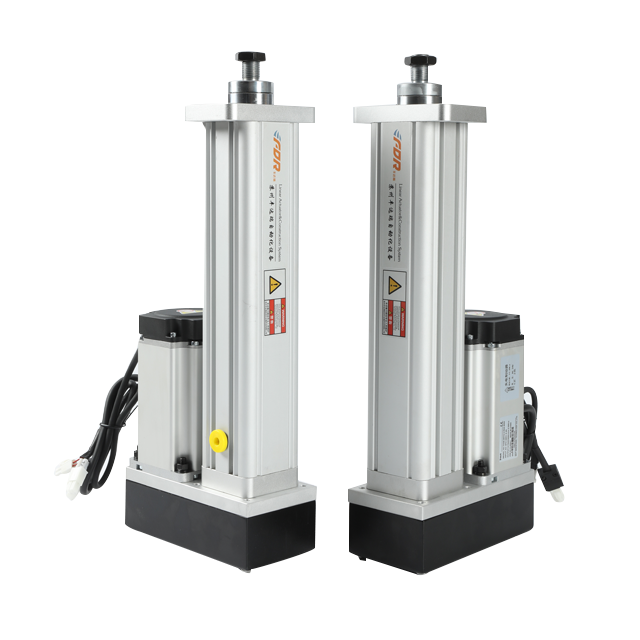
Choosing the right electric actuator is key for optimal performance. Whether automating machinery or upgrading systems, the actuator’s efficiency impacts everything. This article will help you choose the best actuator for your needs.You'll learn how to assess speed, load capacity, and precision. We’ll also explain how actuators boost system efficiency.
At FDR, we offer high-quality electric actuators for all applications. Learn more about how our products can improve your systems.
Understanding Electric Actuators
What is an Electric Actuator?
An electric actuator is a device that converts electrical energy into mechanical motion. It provides either linear or rotary motion for various applications, allowing precise control over movement. These actuators are commonly used in settings where accuracy and reliability are critical. Unlike traditional pneumatic or hydraulic systems, electric actuators offer better control, quieter operation, and increased efficiency. They are found in automation, robotics, material handling, and other industries that require smooth, controlled motion.
Types of Electric Actuators
Electric actuators are categorized based on the type of motion they produce. The three main types are linear actuators, rotary actuators, and hybrid actuators.
● Linear actuators provide straight-line motion, making them ideal for applications like lifting, positioning, and material handling.
● Rotary actuators provide rotational movement, commonly used in applications such as robotic arms and valve control.
● Hybrid actuators combine the functionality of both linear and rotary motion, offering versatile applications across different industries and complex systems.
Type of Electric Actuator | Description | Common Applications |
Linear Actuators | Provide straight-line motion. | Material handling, positioning, lifting. |
Rotary Actuators | Provide rotational motion. | Robotic arms, valve control. |
Hybrid Actuators | Combine features of both linear and rotary. | Complex systems requiring versatile movement. |
Benefits of Using Electric Actuators
Electric actuators offer numerous advantages over traditional systems. Some of the key benefits include:
● Energy Efficiency: Electric actuators consume less power compared to hydraulic or pneumatic alternatives, which leads to cost savings.
● Low Maintenance: Electric actuators have fewer components that require regular maintenance, reducing downtime and operational costs.
● Precise Control: They provide high accuracy and repeatability, which is crucial for automated systems and precision applications.
● Environmentally Friendly: Since they don't require hydraulic fluids or compressed air, electric actuators are a more environmentally friendly option.
By replacing hydraulic or pneumatic systems, electric actuators improve the efficiency, performance, and longevity of systems across various industries.
Key Considerations for Choosing the Right Electric Actuator
Load Capacity
The load capacity refers to the maximum force the actuator can provide. It's essential to ensure that the actuator can handle the load your application requires. For instance, applications in heavy material handling or lifting may require actuators with a higher load capacity. Choosing an actuator that offers an appropriate capacity is crucial to avoid overloading and failure.
Speed and Stroke Range
Speed and stroke range are important parameters to consider. The speed at which the actuator operates determines how quickly the system performs its tasks, while the stroke range refers to the length of the movement. Some applications, such as assembly lines, require quick, repeated movements, while others may demand slower, more precise motions for accuracy.
Precision and Accuracy
For tasks requiring high precision, such as in robotics or CNC machines, the actuator’s ability to move with fine accuracy is critical. The actuator must have a feedback system to ensure precise positioning of the load. High precision can enhance the overall performance of the system, making it ideal for delicate tasks.
Energy Efficiency
Electric actuators are generally more energy-efficient than pneumatic or hydraulic systems. They consume less power and can be controlled to minimize energy use, which is especially important for long-term, sustainable operations. Choosing an energy-efficient actuator can help reduce operational costs and increase system lifespan.
Consideration | Description | Impact on Selection |
Load Capacity | Maximum force the actuator can handle. | Ensures actuator can meet the required force for the application. |
Speed and Stroke Range | Determines how fast and how far the actuator moves. | Influences performance for repetitive and precision tasks. |
Precision | Degree of accuracy in actuator movement. | Important for applications that require exact positioning. |
Energy Efficiency | Measures the actuator’s energy consumption. | Reduces long-term operating costs, improving system sustainability. |
How Electric Actuators Work
Electric Motor Technology
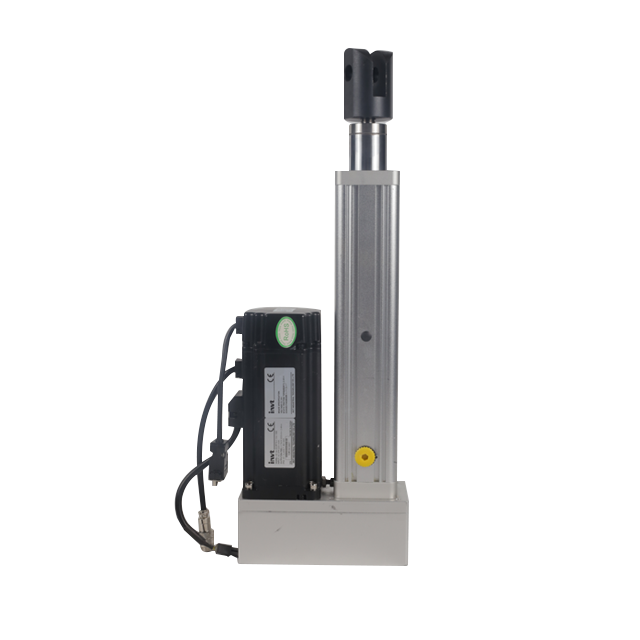
At the heart of every electric actuator is its motor. The motor converts electrical energy into mechanical motion, enabling the actuator to perform its intended task. The type of motor used—whether it's DC, AC, or stepper motors—directly influences the actuator's performance. DC motors are typically chosen for applications that require precise control and slower movement, while AC motors are better suited for high-demand operations, offering greater power and speed for more intensive tasks.
Control Systems and Feedback Loops
Electric actuators depend on sophisticated control systems to function optimally. These systems often incorporate feedback loops that continuously monitor the actuator’s movement. Sensors, which are integral to this system, provide real-time data on the actuator’s position, velocity, and force. This data is used by the control system to adjust the actuator’s operation, ensuring the motion remains accurate and consistent. These systems help the actuator respond to commands with minimal delay, enhancing both the precision and reliability of the application.
Integrating Sensors for Precision
One of the most important innovations in electric actuators is the integration of advanced sensors. These sensors track the actuator's movement in real time, ensuring each action is carried out with the utmost precision. This is especially crucial in high-precision environments like robotics, medical devices, or automated manufacturing. With high-resolution sensors, electric actuators can minimize lag and ensure smoother, more accurate motion, which is key for applications requiring consistent and dependable performance.
Component | Description | Functionality |
Electric Motor | Converts electrical energy into mechanical motion. | Provides the necessary power for actuator movement. |
Sensors | Provide real-time feedback on position and velocity. | Ensure precision and smooth operation. |
Control System | Algorithms and feedback systems that synchronize actuators and sensors. | Control actuator response based on sensor data. |
By using these advanced technologies, electric actuators not only provide reliable movement but also ensure optimal efficiency in a wide range of applications.
Applications of Electric Actuators
Robotics and Automation
Electric actuators play a pivotal role in robotics and automation, where accurate and reliable movement control is crucial. They are extensively used in robotic arms, conveyor systems, and assembly lines to perform tasks such as precise positioning, lifting heavy loads, and material handling. Their versatility, high precision, and ability to operate in harsh environments make electric actuators indispensable in advancing industrial automation processes. These actuators help improve efficiency, reduce manual labor, and increase production speeds in manufacturing settings.
Aerospace and Defense
In the aerospace sector, electric actuators are employed in a variety of critical applications such as flight control systems, landing gear mechanisms, and steering systems. These actuators offer the precision and reliability needed for safe and efficient operation of aircraft and spacecraft. The use of electric actuators in aerospace applications helps reduce overall weight, enhancing fuel efficiency and performance. Additionally, they improve control and reduce the maintenance demands compared to traditional hydraulic actuators, making them a preferred choice in the aviation and defense industries.
Medical Devices
Electric actuators are also widely utilized in the medical field, playing an essential role in advanced medical devices like robotic surgery systems, prosthetics, and diagnostic equipment. Their ability to provide fine, precise control over movement is critical in ensuring accuracy and safety during medical procedures. These actuators must meet rigorous standards of performance, durability, and reliability to guarantee patient safety. In robotic surgeries, for instance, the actuators help the surgical tools respond precisely to the surgeon's commands, allowing for minimally invasive procedures with higher precision and faster recovery times for patients.
How to Choose the Right Electric Actuator for Your Application
Identifying the Right Specifications
Selecting the right electric actuator begins with a clear understanding of your application’s requirements. Key factors such as load capacity, stroke length, and speed must align with the specific tasks the actuator will perform. Accurately assessing these specifications ensures that the actuator will operate optimally, meeting both performance and efficiency goals. Without the correct specifications, even the best actuator may underperform or fail prematurely. Therefore, make sure to thoroughly assess the physical demands of your system before choosing an actuator.
Considering Environmental Factors
The environment in which the actuator will operate plays a critical role in determining the best fit. Factors like temperature variations, humidity levels, exposure to chemicals, and potential exposure to dust or moisture should all influence your selection. Choosing an actuator with appropriate environmental ratings—such as protection against water and dust ingress (IP ratings)—is crucial for ensuring long-lasting performance. For instance, actuators used in outdoor or industrial settings require sealing capabilities to withstand harsh conditions, making them more reliable for the application.
Cost-Effectiveness and Long-Term Maintenance
While electric actuators typically have higher initial costs compared to hydraulic or pneumatic systems, they offer lower long-term maintenance needs. This makes them a cost-effective choice in the long run. Electric actuators have fewer moving parts and are easier to maintain, leading to less downtime and reduced repair costs. Choosing a high-quality actuator from the start can reduce the frequency of replacements and repairs, offering better value over time. Consider not only the upfront investment but also the long-term benefits of reliability and reduced maintenance costs.
Future Trends in Electric Actuators
Integration with IoT and Smart Technology
The future of electric actuators lies in their increased integration with the Internet of Things (IoT) and smart technology. This integration will enable real-time monitoring and predictive maintenance, which can greatly improve operational efficiency. By embedding sensors and utilizing data analytics, these advanced actuators will offer adaptive, more efficient, and connected solutions for industries. This evolution will allow for smoother, more responsive control and help industries proactively address potential issues before they arise, ensuring higher reliability.
Advancements in Actuator Materials
Recent advancements in material science are helping make electric actuators lighter, more durable, and more efficient. New materials, such as composites and advanced alloys, are increasing the performance of actuators while reducing energy consumption. These innovations contribute to longer operational lifespans, less wear and tear, and greater overall system efficiency. As these material advancements continue, electric actuators will become even more versatile, improving the performance of various systems across industries.
Increased Customization and Modularity
Industries are increasingly seeking more specialized solutions to meet their unique needs. This demand is driving manufacturers to focus on developing modular and customizable electric actuators. These systems offer greater flexibility, enabling users to tailor actuators for specific applications, ensuring better performance and seamless integration. Customizable actuators will also make it easier and more cost-effective to adapt existing systems, improving overall system functionality and providing industries with more specialized solutions.
These trends highlight how electric actuators are evolving to meet the changing demands of modern industries. As technology advances, we can expect even greater efficiency, versatility, and connectivity in actuator systems.
Conclusion
Choosing the right electric actuator ensures performance, precision, and longevity. Factors like load capacity, speed, and environmental conditions are essential in making the right choice. As actuator technology evolves, innovations such as smart systems and efficient materials offer even more benefits. At FDR,our electric actuators provide outstanding value, enhancing your system's performance and efficiency across various applications.
FAQ
Q: What is an electric actuator?
A: An electric actuator is a device that uses electrical energy to produce mechanical motion. It is commonly used for precise control of systems in industries like manufacturing, robotics, and automation.
Q: How do I choose the right electric actuator for my application?
A: To choose the right electric actuator, consider factors like load capacity, speed, environmental conditions, and required precision. Matching these factors to your specific application ensures optimal performance.
Q: Why are electric actuators preferred over pneumatic or hydraulic actuators?
A: Electric actuators offer high precision, energy efficiency, and ease of integration with control systems. They require less maintenance and are more environmentally friendly than pneumatic or hydraulic actuators.
Q: How does the integration of IoT improve electric actuators?
A: IoT integration enables real-time monitoring and predictive maintenance, improving actuator efficiency, reducing downtime, and allowing for seamless control in automated systems.


